Tell us about the job
Takes about a minute. No obligation.
A heat pump repair in Millard County starts with the heating side of the system, because that is where the wear concentrates. Homes in Millard County, UT run heat about eight months a year, from October through May. As outdoor temperatures drop, a heat pump loses capacity and the compressor has to work harder and longer to pull useful heat from the air. Contractors checking a unit here look at the reversing valve, the refrigerant charge, and the low-ambient defrost controls first, because those are the components the heating season punishes. A system that was undersized or mismatched at install shows those faults in the compressor and coil long before anything else gives way.
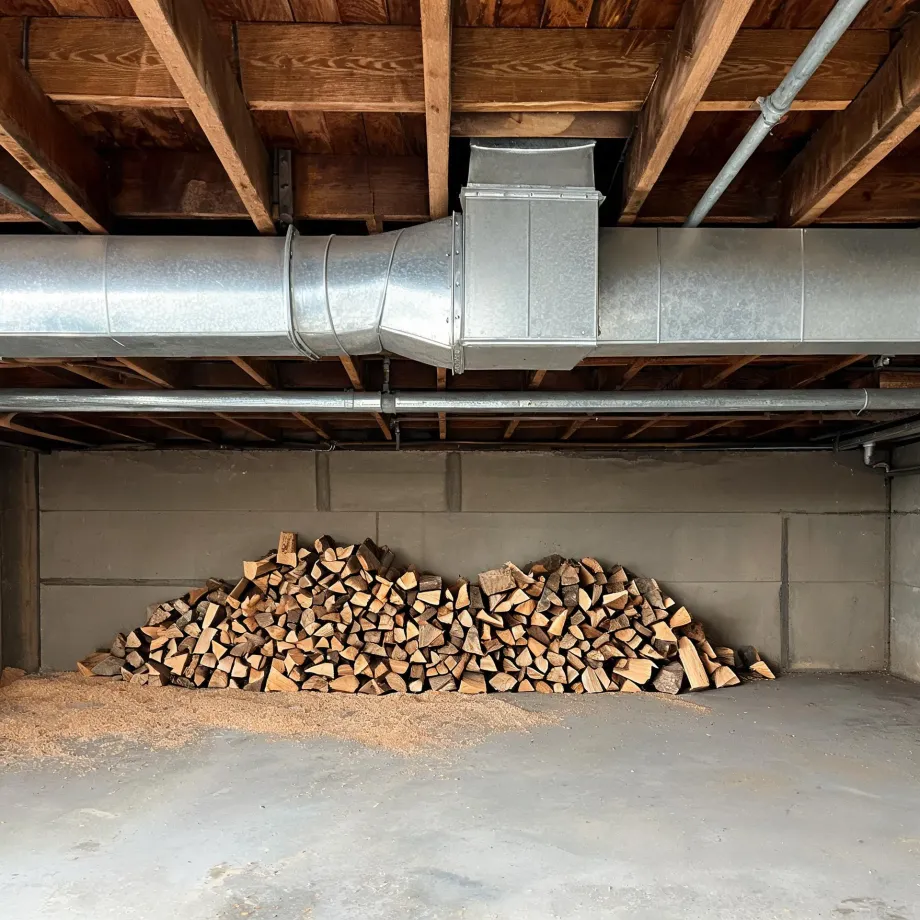
Ductwork in a house built for a furnace and window units was laid out for a different kind of air movement, and a heat pump running through it works harder than the equipment was designed to. That extra load shows up inside the system when a contractor opens it. Half the homes in Millard County, Utah were built in 1974 or earlier (2020-2024 ACS 5-year). Refrigerant lines, coil condition, and blower wear all bear the mark of a distribution system that does not suit the equipment it feeds. A contractor diagnosing a repair here looks at the duct runs and return sizing alongside whatever the opened unit shows, because the two problems are usually connected.
The Parts of a Heat Pump a Contractor Checks First
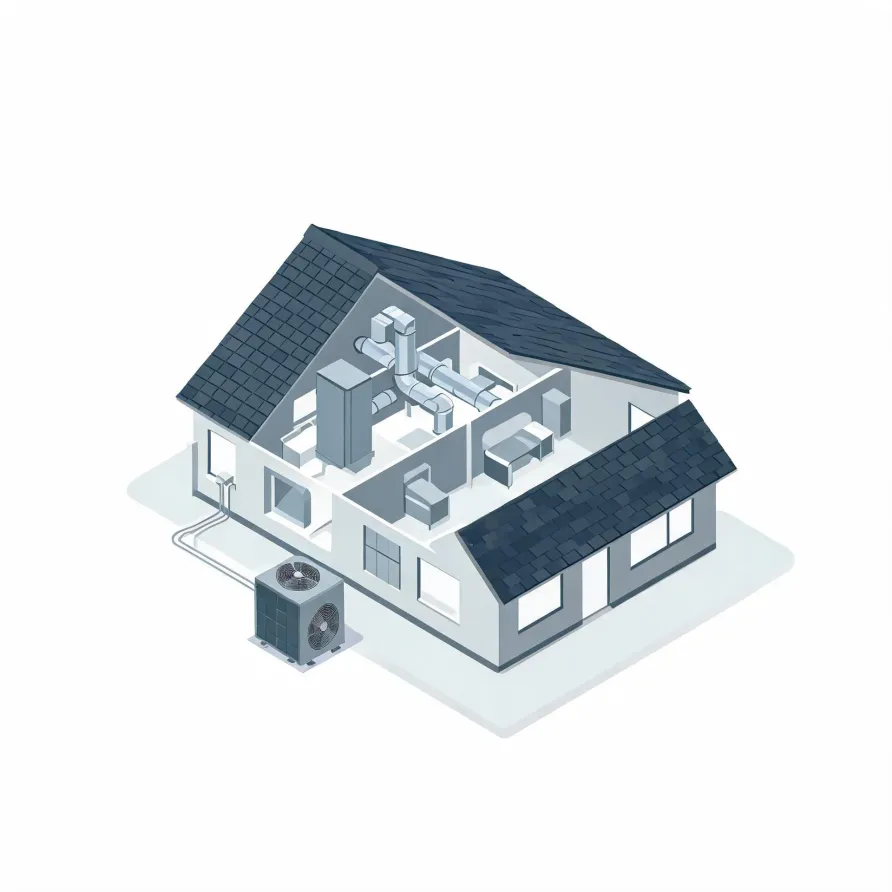
The outdoor unit is the piece most homeowners recognize on sight. It sits outside the house and holds the compressor and the condenser coil, both of which are common starting points when a system stops heating or cooling properly. The compressor is usually where a contractor looks first, because when it fails the whole system stops.
Inside the house, the air handler contains the evaporator coil and the blower fan, which moves conditioned air through the home. The reversing valve, also inside the refrigerant circuit, is what lets the system switch between heating and cooling modes, and a fault there can look like several other problems at once. The expansion valve and the refrigerant lines connecting both units round out what a contractor works through on a full diagnostic.
The drawing shows a general layout of these components, and a licensed contractor determines which of them apply and need attention in your specific home.
Get matched in Millard CountyMillard County, by the numbers
72 severe weather events were recorded in Millard County, Utah between 2015 and 2024.
NOAA National Centers for Environmental Information, Storm Events Database, bulk CSV export, events 2015-01-01 through 2024-12-31.Half the homes in Millard County, Utah were built in 1974 or earlier (2020-2024 ACS 5-year).
U.S. Census Bureau, 2020-2024 American Community Survey 5-Year EstimatesMillard County, Utah holds 5,045 housing units (2020-2024 ACS 5-year).
U.S. Census Bureau, 2020-2024 American Community Survey 5-Year EstimatesOwners occupy 81.8% of the occupied homes in Millard County, Utah (2020-2024 ACS 5-year).
U.S. Census Bureau, 2020-2024 American Community Survey 5-Year EstimatesCodes & Standards Covering Heat Pump Repair in Millard County, Utah2 sourced rules and standards
What Millard County, Utah Requires for HVAC Repair
Utah’s contractor licence does not reach alteration, repair, remodelling or improvement of a building worth less than $7,000 in labour and materials together, counting every change and addition to the agreed work — though the plumbing and electrical trades are pulled back under licensure even below that figure.
Utah requires a state licence before engaging in a licensed construction trade or contracting activity, and HVAC contractor is one of the licence classifications the state issues.
Weather Events in Millard County That Put Heat Pumps to Work
Severe weather puts stress on heat pump components, and repeated stress is what drives repair needs over time. How hard that equipment works depends on what the local climate actually delivers, which makes this a county-level question.
72 severe weather events, 2016–2024. Source: NOAA National Centers for Environmental Information, Storm Events Database.