Tell us about the job
Takes about a minute. No obligation.
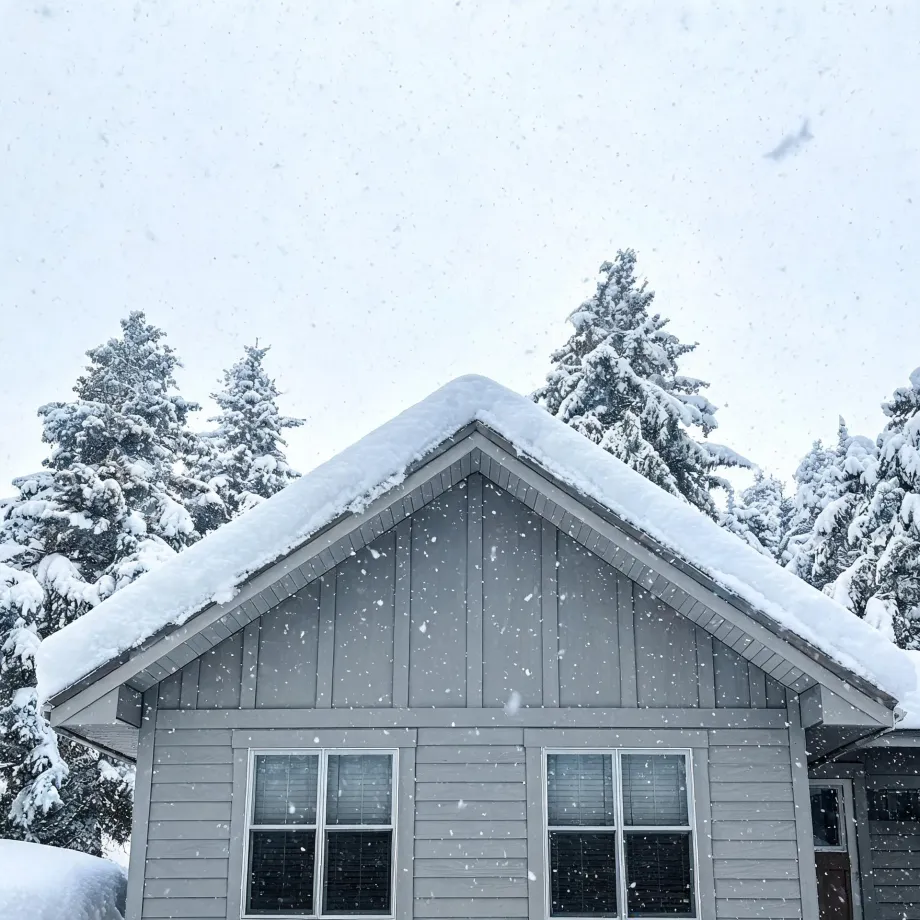
Sizing a heat pump for Millard County means solving for the cold end of the range, not just the average. Homes in Millard County, UT run heat about eight months a year, from October through May. As temperatures drop toward and below freezing across those months, a heat pump loses capacity precisely when the house needs more of it. A contractor has to establish how low temperatures actually fall at this site before settling on a unit, because undersizing forces the backup heating element to carry load the heat pump cannot, and that shifts the running cost well past what the homeowner expected when they bought it.
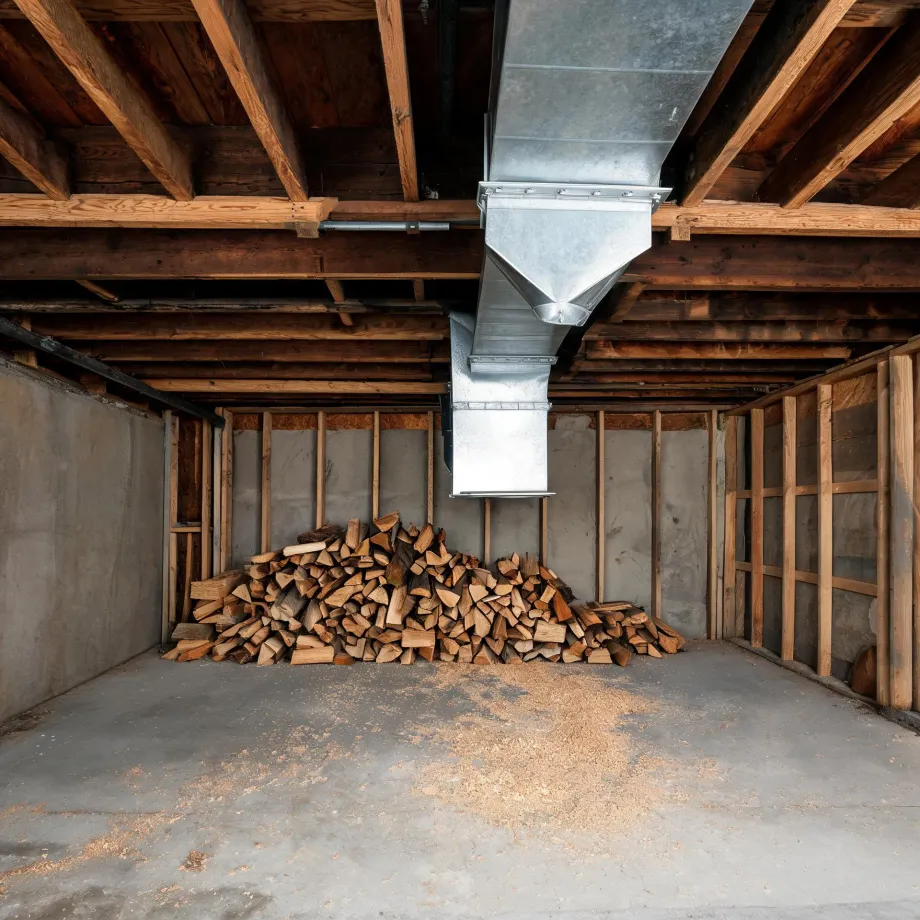
Ductwork sized and routed for older furnace-and-AC setups does not automatically carry what a heat pump needs, and in Millard County that gap shows up at the assessment stage, before any equipment is ordered. Half the homes in Millard County, Utah were built in 1974 or earlier (2020-2024 ACS 5-year). That means a contractor working through the county's housing stock encounters duct systems that were never designed around the airflow a heat pump demands, and the electrical service panel gets the same scrutiny: the load a heat pump draws at startup is the figure that tells a contractor whether the existing service can stay or has to be upgraded first.
What a Heat Pump Installation Puts in Your Home
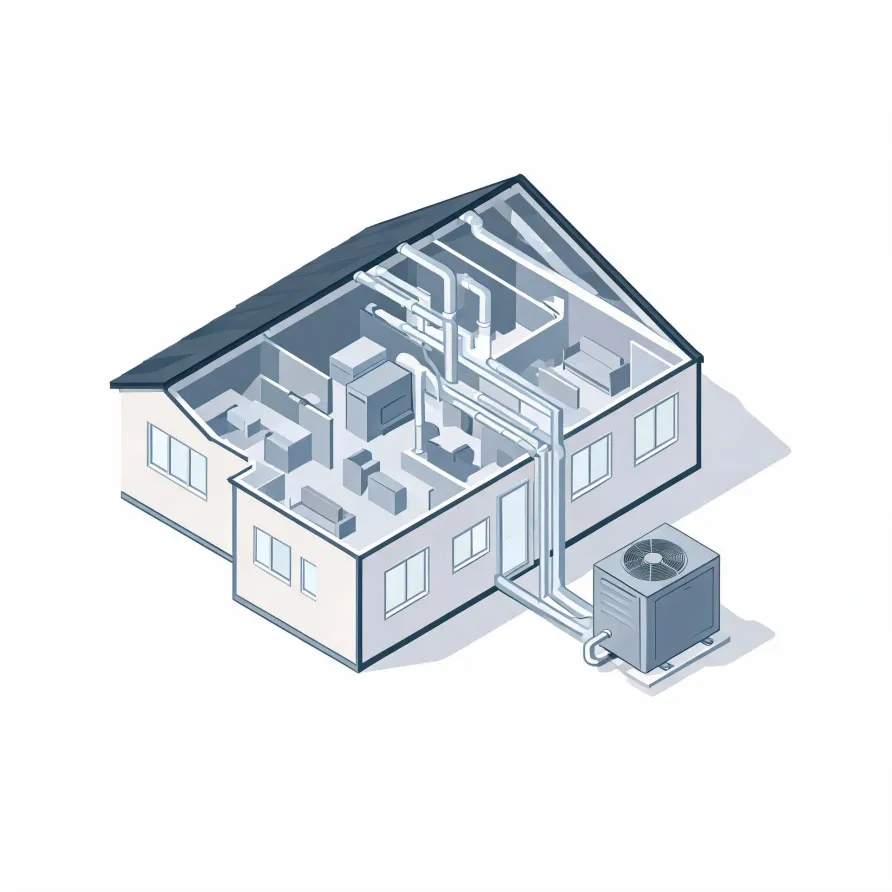
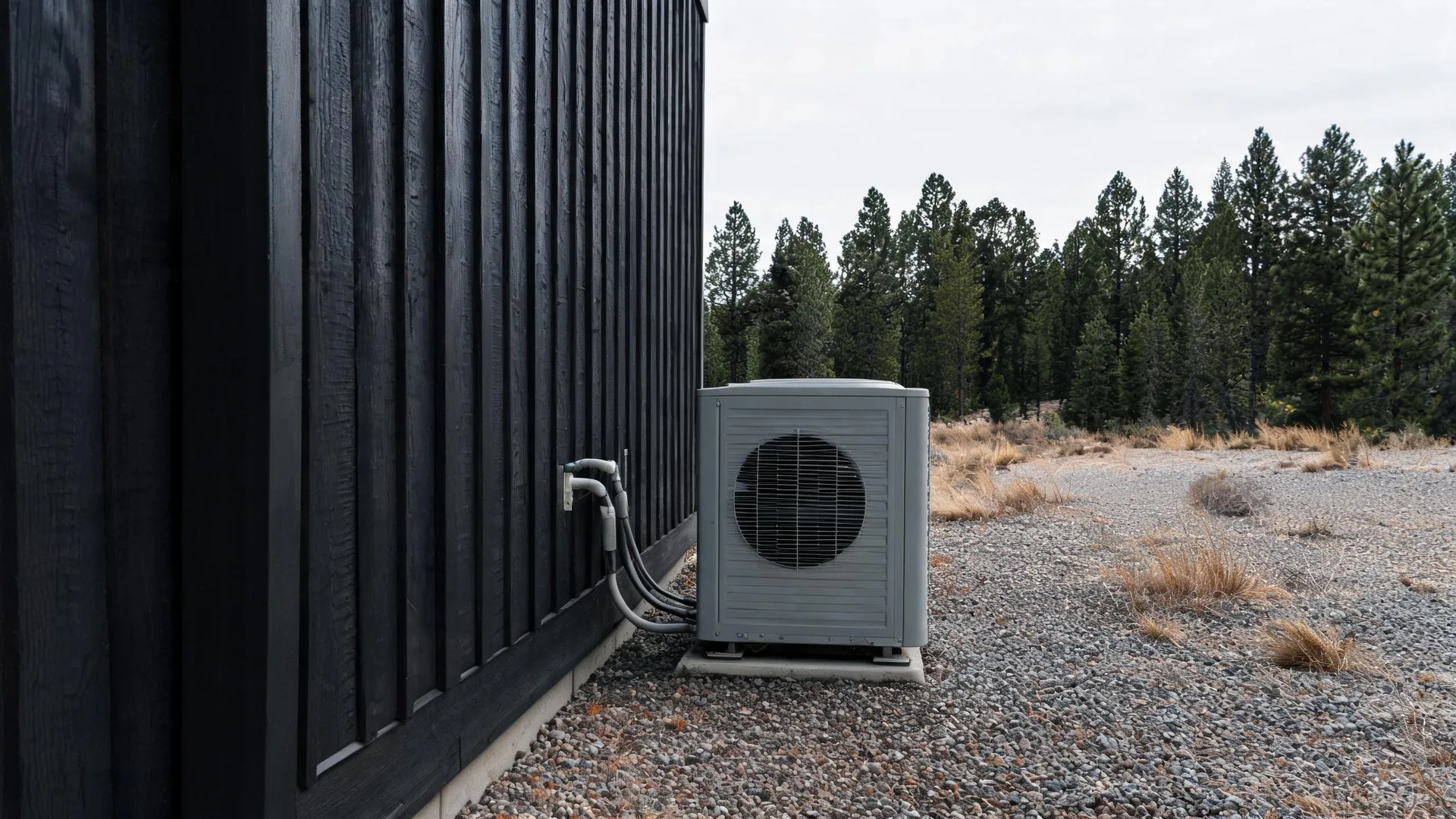
The outdoor unit sits on a pad beside the house and holds the compressor and coil that do the bulk of the work. Inside, an air handler or indoor coil mounts in a utility space, attic, or closet and moves conditioned air into the living areas. Together these two units are what a heat pump installation places.
A refrigerant line set runs between the outdoor and indoor units, connecting them through an exterior wall. A thermostat goes on an interior wall where it reads the air temperature and tells the system when to run. Some homes also receive a supplemental heating element inside the air handler to cover the coldest days.
The drawing shows a typical layout, and a licensed contractor determines exactly what applies to your house.
Get matched in Millard CountyMillard County, by the numbers
72 severe weather events were recorded in Millard County, Utah between 2015 and 2024.
NOAA National Centers for Environmental Information, Storm Events Database, bulk CSV export, events 2015-01-01 through 2024-12-31.Half the homes in Millard County, Utah were built in 1974 or earlier (2020-2024 ACS 5-year).
U.S. Census Bureau, 2020-2024 American Community Survey 5-Year EstimatesMillard County, Utah holds 5,045 housing units (2020-2024 ACS 5-year).
U.S. Census Bureau, 2020-2024 American Community Survey 5-Year EstimatesOwners occupy 81.8% of the occupied homes in Millard County, Utah (2020-2024 ACS 5-year).
U.S. Census Bureau, 2020-2024 American Community Survey 5-Year EstimatesHeat Pump Installation Rules for Millard County, Utah2 codes, standards, and laws
Licensing Rules for Millard County, Utah
Utah’s contractor licence does not reach alteration, repair, remodelling or improvement of a building worth less than $7,000 in labour and materials together, counting every change and addition to the agreed work — though the plumbing and electrical trades are pulled back under licensure even below that figure.
Utah requires a state licence before engaging in a licensed construction trade or contracting activity, and HVAC contractor is one of the licence classifications the state issues.
Severe Weather Events in Millard County
Extreme weather puts direct demand on heating and cooling equipment, and how hard a heat pump works over its life is shaped by local conditions. Installation decisions made here, in Millard County, should account for what the climate actually does.
72 severe weather events, 2016–2024. Source: NOAA National Centers for Environmental Information, Storm Events Database.