Tell us about the job
Takes about a minute. No obligation.
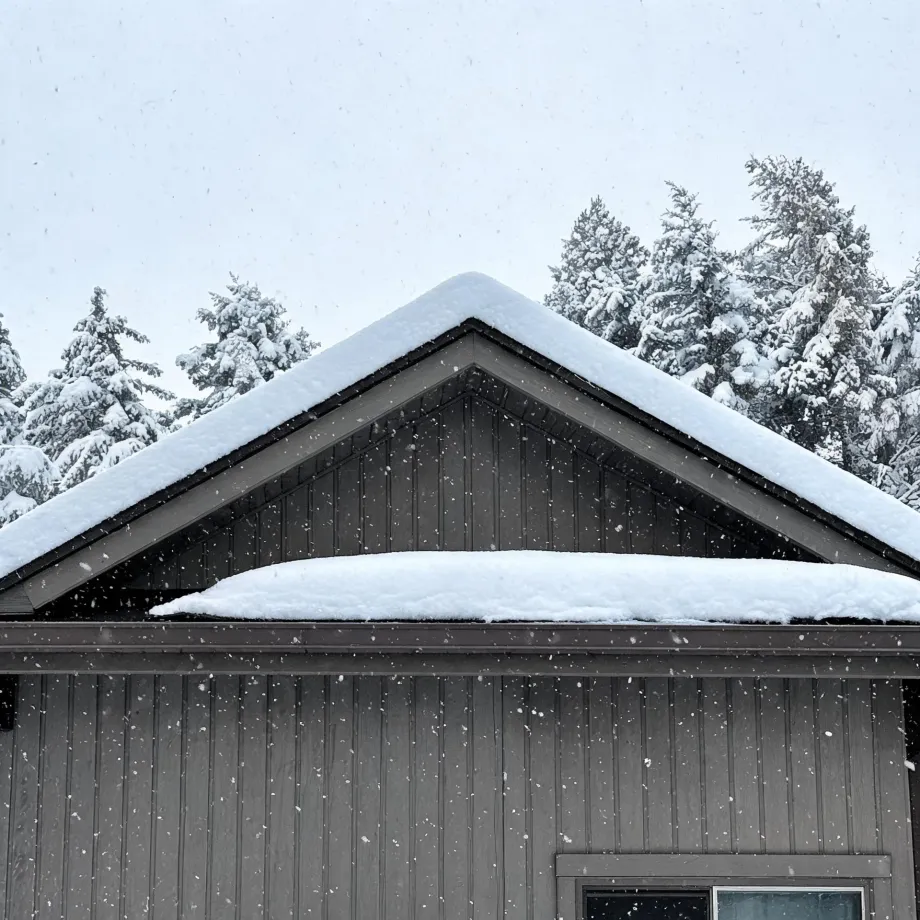
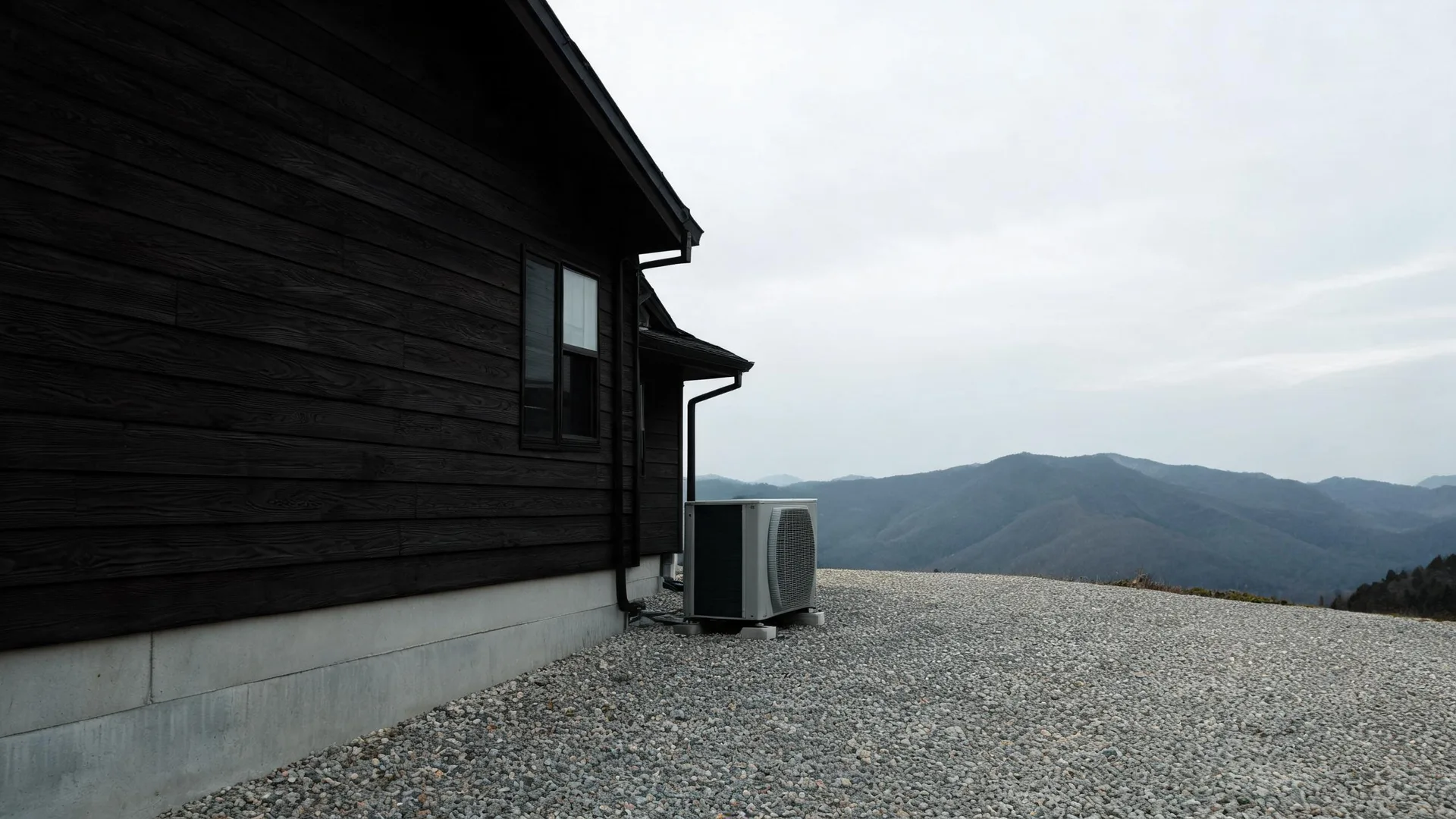
Compressor wear in a heat pump accumulates fastest when the unit is working against cold outdoor air, pulling heat into the house rather than pushing it out. Homes in Beaver County, UT run heat about eight months a year, from October through May. At low temperatures, a heat pump's capacity drops, which means the compressor runs longer per cycle to meet the same thermostat demand. A contractor quoting a repair in Beaver County checks the compressor and the reversing valve first, because those are the parts the heating season loads hardest. Refrigerant charge and coil condition follow, since a marginal charge that hides in summer shows up plainly once the unit is heating full-time.
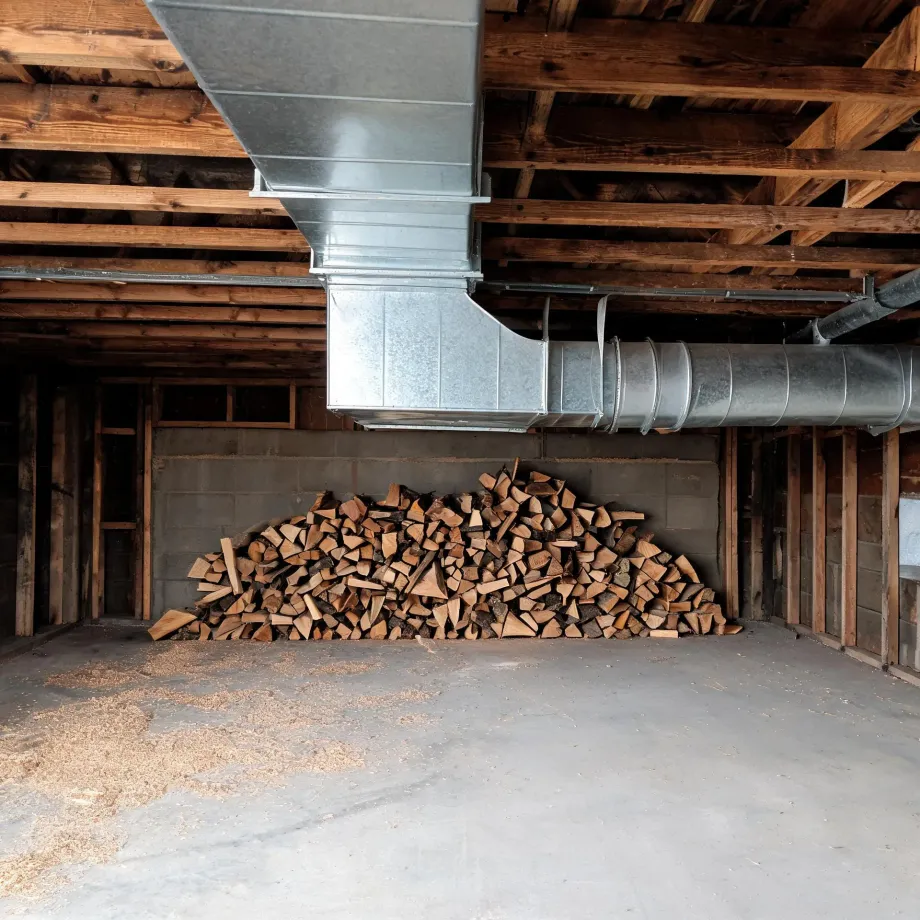
Ductwork routed for a previous generation of equipment does not quietly adapt when a heat pump goes in. A contractor opening a system in this county frequently finds that the distribution side was laid out for something with different pressure and airflow characteristics than what is running now, and the mismatch shows up in the repair itself: a part that tests fine in isolation but underperforms because the surrounding infrastructure is pulling against it. Half the homes in Beaver County, Utah were built in 1976 or earlier (2020-2024 ACS 5-year). That history is what a contractor has to account for when a repair order comes in, because the fault may be in the component they pulled or in what that component is being asked to work against.
The Parts of a Heat Pump a Contractor Checks First
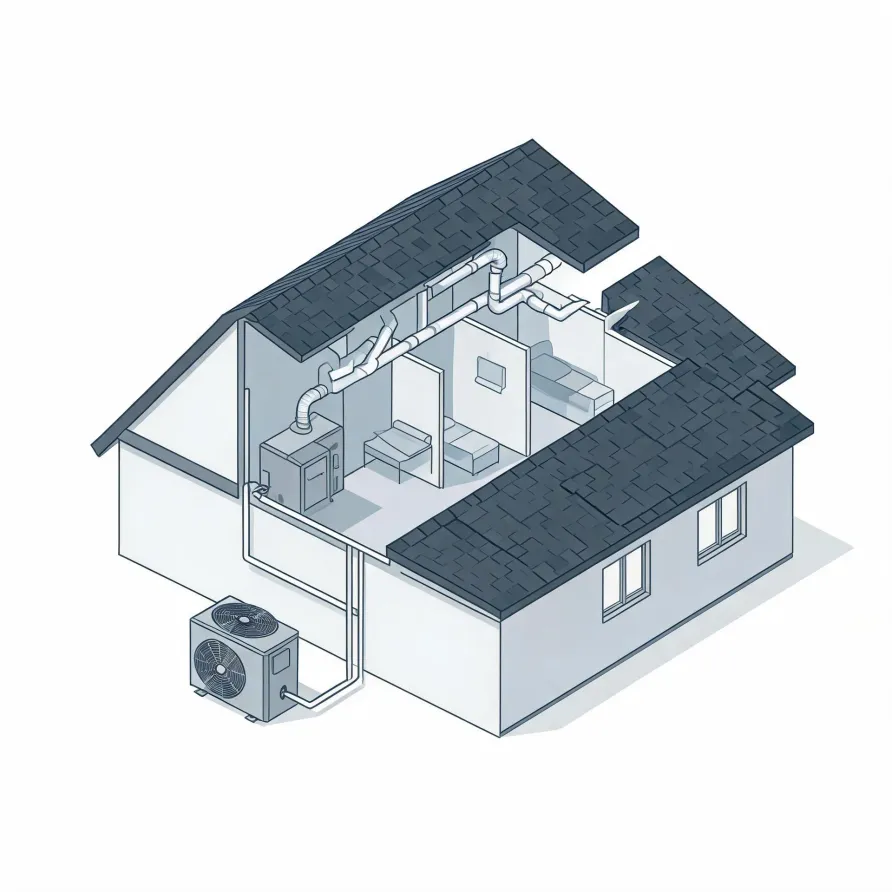
The outdoor unit is where most repair calls begin. It houses the compressor, which pressurizes the refrigerant, and the condenser coil, which transfers heat. When the system runs but heats or cools poorly, or makes noise, or trips a breaker, this cabinet is where a contractor starts.
Inside the house, the air handler holds the blower motor and the evaporator coil. The blower moves air across that coil and out through the vents. Between the two units, the refrigerant lines and the reversing valve govern which direction heat moves, and a faulty valve is why a heat pump sometimes blows the wrong temperature entirely.
The drawing shows a typical layout, and a licensed contractor determines which components apply to your specific system and what each one needs.
Get matched in Beaver CountyBeaver County, Utah, by the Numbers
88 severe weather events were recorded in Beaver County, Utah between 2015 and 2024.
NOAA National Centers for Environmental Information, Storm Events Database, bulk CSV export, events 2015-01-01 through 2024-12-31.Half the homes in Beaver County, Utah were built in 1976 or earlier (2020-2024 ACS 5-year).
U.S. Census Bureau, 2020-2024 American Community Survey 5-Year EstimatesBeaver County, Utah holds 2,969 housing units (2020-2024 ACS 5-year).
U.S. Census Bureau, 2020-2024 American Community Survey 5-Year EstimatesOwners occupy 81.0% of the occupied homes in Beaver County, Utah (2020-2024 ACS 5-year).
U.S. Census Bureau, 2020-2024 American Community Survey 5-Year EstimatesCodes & Standards Governing Heat Pump Repair in Beaver County, Utah2 sourced rules and standards
What Beaver County, Utah Requires for HVAC Repair Work
Utah’s contractor licence does not reach alteration, repair, remodelling or improvement of a building worth less than $7,000 in labour and materials together, counting every change and addition to the agreed work — though the plumbing and electrical trades are pulled back under licensure even below that figure.
Utah requires a state licence before engaging in a licensed construction trade or contracting activity, and HVAC contractor is one of the licence classifications the state issues.
Severe Weather Events in Beaver County
Extreme weather puts heat pumps under load when conditions are hardest: temperature swings, ice, and pressure fluctuations wear components faster than steady-state operation does. How often that kind of stress hits Beaver County shapes what local heat pumps need and how quickly problems develop.
88 severe weather events, 2015–2024. Source: NOAA National Centers for Environmental Information, Storm Events Database.