Tell us about the job
Takes about a minute. No obligation.
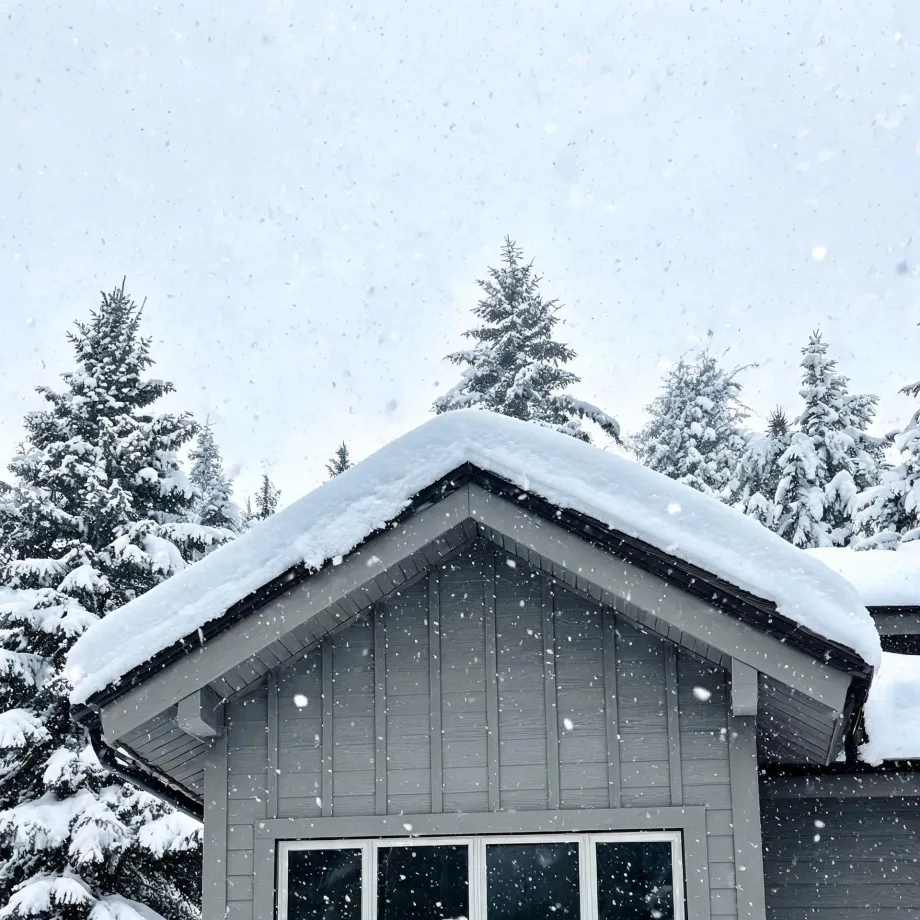
On a repair call here, a contractor's first look goes to the compressor and the reversing valve. Homes in Carbon County, UT run heat about nine months a year, from September through May. A heat pump running that deep into cold weather is working at reduced capacity for months on end, because its ability to pull heat from outdoor air falls as temperatures drop. That sustained strain shows up in the compressor windings and in the reversing valve's solenoid, the two parts that cycle hardest through a long heating season. The auxiliary heat strips and the air handler rarely carry the same accumulated load.
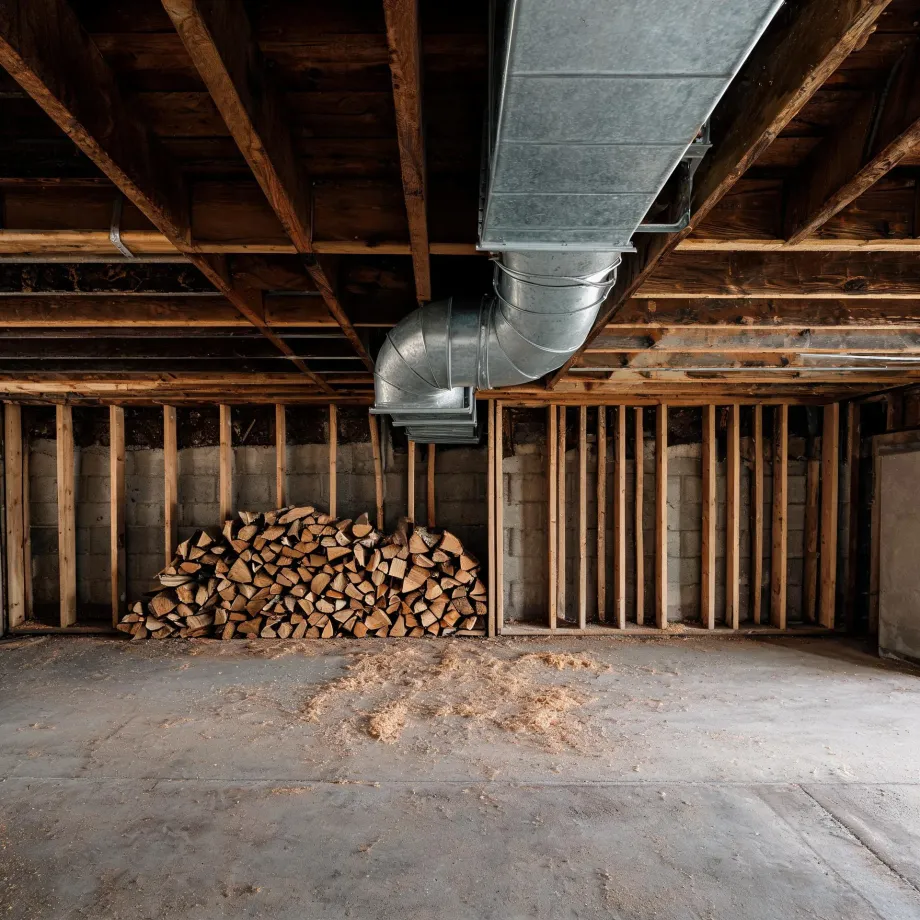
Ductwork laid in for older heating equipment carries its own geometry, its own sealing assumptions, and its own failure points, and a heat pump running through it is working against a layout it was never matched to. Half the homes in Carbon County, Utah were built in 1972 or earlier (2020-2024 ACS 5-year). A repair call that starts with the heat pump unit often ends with a contractor tracing a problem back through joints and runs that have been patched and re-patched over decades. The parts question matters too: a system old enough to match that housing may draw on components that are no longer in regular production, which changes what a repair actually costs and how long it takes to complete.
The Parts of a Heat Pump a Contractor Checks First
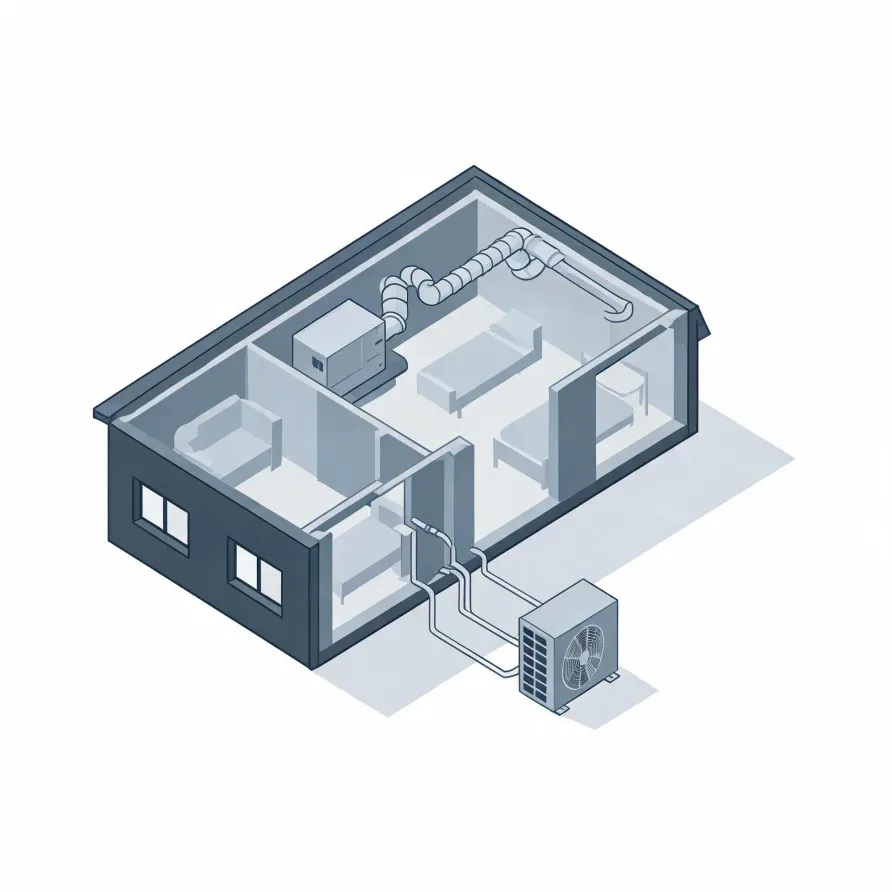
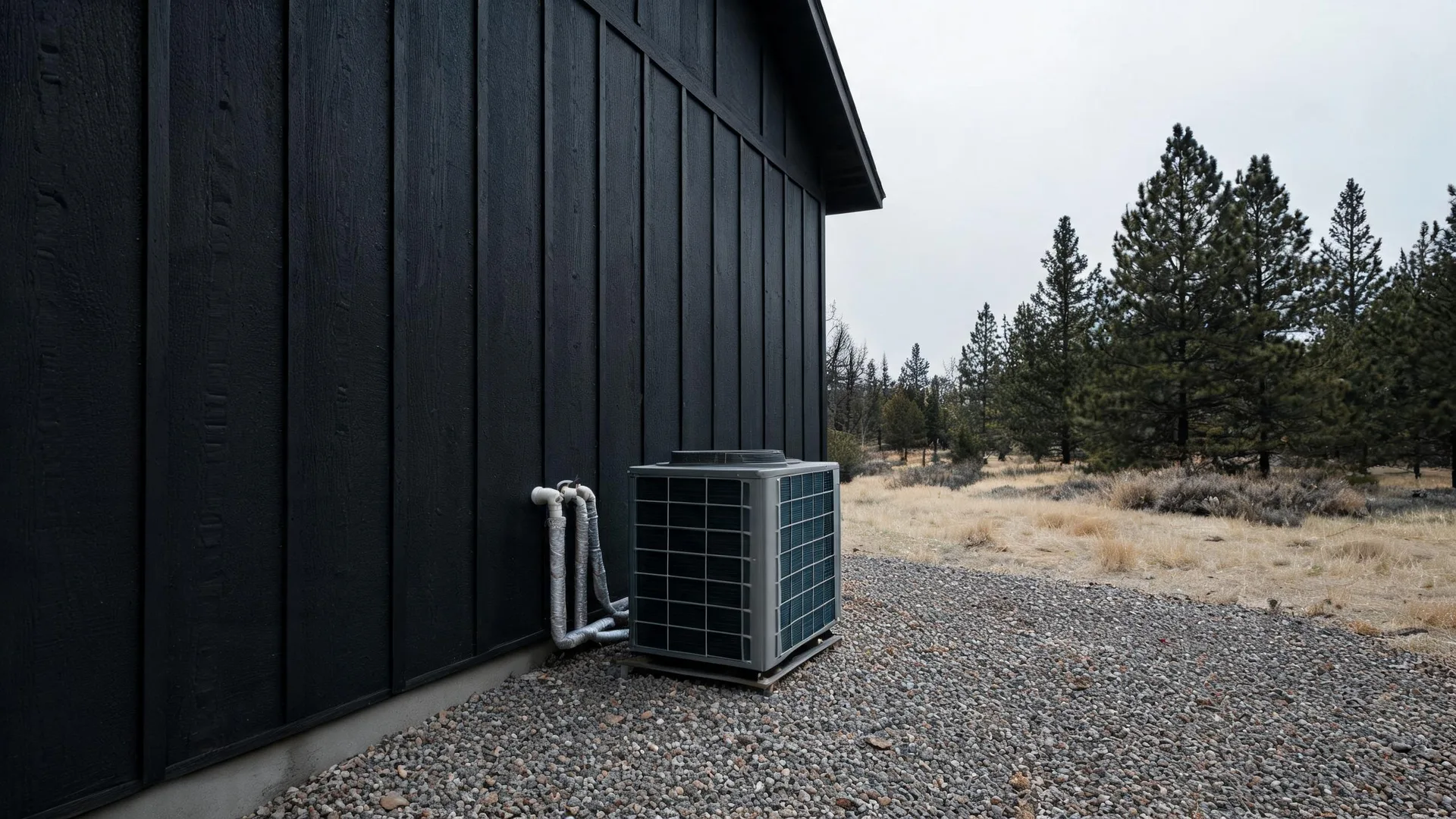
The outdoor unit is the piece most homeowners recognize, a cabinet that sits on a pad beside the house and holds the compressor and the outdoor coil. The compressor is where most repair calls lead. When it labors or fails, the system loses the ability to move heat in either direction. The outdoor coil sits around it and is where heat is exchanged with the outside air.
Inside the house, the air handler holds the indoor coil and the blower. The blower pushes conditioned air through the home, and the indoor coil is where the exchange happens on that side. A reversing valve inside the system is what lets a heat pump switch between heating and cooling, and it is a part contractors check when the system runs but delivers the wrong kind of air. The refrigerant lines connect the two units and carry the working fluid between them.
The drawing shows a general layout of these components, and a licensed contractor determines which of them apply and what condition they are in for any specific house.
Get matched in Carbon CountyCarbon County, Utah, by the numbers
46 severe weather events were recorded in Carbon County, Utah between 2015 and 2024.
NOAA National Centers for Environmental Information, Storm Events Database, bulk CSV export, events 2015-01-01 through 2024-12-31.Half the homes in Carbon County, Utah were built in 1972 or earlier (2020-2024 ACS 5-year).
U.S. Census Bureau, 2020-2024 American Community Survey 5-Year EstimatesCarbon County, Utah holds 9,669 housing units (2020-2024 ACS 5-year).
U.S. Census Bureau, 2020-2024 American Community Survey 5-Year EstimatesOwners occupy 67.9% of the occupied homes in Carbon County, Utah (2020-2024 ACS 5-year).
U.S. Census Bureau, 2020-2024 American Community Survey 5-Year EstimatesCodes & Standards Covering Heat Pump Repair in Carbon County, Utah2 sourced rules & standards
Licensing and Legal Requirements in Carbon County, Utah
Utah’s contractor licence does not reach alteration, repair, remodelling or improvement of a building worth less than $7,000 in labour and materials together, counting every change and addition to the agreed work — though the plumbing and electrical trades are pulled back under licensure even below that figure.
Utah requires a state licence before engaging in a licensed construction trade or contracting activity, and HVAC contractor is one of the licence classifications the state issues.
Weather Stress on HVAC Equipment in Carbon County
Heat pumps work harder when outdoor conditions swing wide, and that workload accumulates over time as wear on components. Repair demand in Carbon County follows the same pattern the weather sets.
46 severe weather events, 2017–2024. Source: NOAA National Centers for Environmental Information, Storm Events Database.