

UT Heat Pump Finder

Is a heat pump cheaper to run than gas heat in Utah

Describe your heat pump job, and a local pro who handles it gets in touch.

Find my pro

Is a heat pump cheaper to run than gas heat in Utah?

You've got a heat pump now, but most homes around you heat with gas, and power here is cheap compared to other places. You're trying to figure out if you're paying more to keep the house warm than your neighbors are, or whether the heat pump actually comes out ahead once you factor in what gas costs by comparison.

Usually yes, because electricity in Utah is cheap enough to offset the extra power a heat pump uses

A heat pump moves heat instead of burning fuel to make it, so it uses less energy per degree of warmth than a gas furnace does. In most places that gap in efficiency has to compete with a gap in fuel prices, but Utah's electric rates run low, so the math tends to favor the heat pump rather than cancel it out. Where it gets harder is on the coldest nights, when a heat pump has to work harder to pull heat out of cold outside air and can lose some of that advantage. If yours has a backup gas or electric heat strip that kicks in during a cold snap, that's the stretch worth watching on your bill.

A gray outdoor condenser unit on a raised pad beside a house with horizontal lap siding, with refrigerant lines, conduit and an electrical disconnect box on the wall, and shrubs on a mulch bed to the left.

Heat Pump Running Clean

A clean condenser moves heat instead of making it, and that's why it can cost less to run than a gas furnace even with cheap power nearby. The coil needs open airflow to pull warmth from outside air. Keep the area around it clear and it keeps doing that job efficiently all winter.


An outdoor air conditioner condenser unit on a gray composite pad beside a house with horizontal lap siding, with refrigerant lines and a conduit running to a wall-mounted disconnect box, and a shrub at left.

Heat Pump Caked With Grime

A coil coated in dirt can't pull heat from the air as easily, so the unit runs longer to reach the same temperature inside. That extra runtime shows up on your power bill and can erase the savings you'd otherwise have over gas heat. A dirty coil is also a common reason a heat pump freezes up in cold weather.

Heat Pump vs Gas Furnace in Utah

Heat Pump

  • Cheap power here means every unit of electricity the compressor uses costs less than it would in most other states.
  • A heat pump moves heat instead of burning fuel to make it, so it can deliver more heat than the electricity it uses would suggest.
  • Below freezing, the heat pump has to work harder to pull warmth from outside air, and some models lean on backup electric heat strips to keep up.
  • No gas line or venting to maintain, since the whole system runs on the same electric circuit as the rest of the house.
  • If the outdoor coil is dirty or blocked, the compressor runs longer to make the same heat, and that shows up on the power bill.

Gas Furnace

  • A gas furnace burns fuel to make heat directly, so its output doesn't drop when it's cold outside the way a heat pump's can.
  • Most homes around you already heat with gas, so the furnace, gas line and venting are already in place and don't need adding.
  • Gas prices move on their own schedule, separate from the electric rates that make running a heat pump cheap here.
  • A clogged filter or blocked vent makes the furnace run longer to heat the same space, and that burns more gas.
  • The furnace needs a flue to vent exhaust outside, which a heat pump doesn't require at all.
A gray outdoor heat pump unit with a large fan grille sits on a concrete pad beside a house with horizontal lap siding, next to a green shrub, mulch bed, and lawn.

Running the Way It Should

This condenser sits clear of the shrub and mulch bed, with open space on every side for air to move through the coil. A heat pump working this well pulls heat from outside air efficiently, which is what keeps it cheaper to run than gas even with power priced low in Utah.

A weathered outdoor condenser unit on a concrete pad beside a house with white horizontal vinyl siding, with refrigerant lines and conduit running to a wall-mounted electrical box.

Grime Working Against You

Years of weathering have caked this unit's grilles, and that buildup blocks the airflow the coil depends on. A heat pump fighting dirty grilles has to run longer to move the same heat, and that extra runtime is what erases its cost advantage over gas.

A woman with dark hair in a bun wearing a cream knit sweater sits on a gray sofa in a bright living room, looking off to the side.
A woman wrapped in a knit blanket sits on a gray sofa in a living room, looking toward a bright window with houseplants and an armchair in the background.
A woman in a gray cowl-neck sweater sits on a light sofa with cushions, smiling and looking to the side, with a kitchen and window visible behind her.
A woman with dark hair in a bun, wearing a light linen shirt, sits on a sofa and looks to the side, with a window, houseplants and a kitchen with pendant lights blurred behind her.
  1. Outdoor air passes across the coil, giving up heat even when it's cold outside.

  2. Refrigerant absorbs that heat and turns from liquid to gas.

  3. The compressor squeezes the gas, raising its temperature further.

  4. Indoor air blows across the hot coil and carries that heat into the house.

An outdoor air conditioning condenser unit on a concrete pad beside a house with light horizontal siding and a concrete block foundation, with bare soil and small green plants around it.
Before you get your heat pump installation
A gray outdoor condenser unit on a concrete pad beside a white horizontal-siding house, with refrigerant lines and conduit running to a wall-mounted disconnect box, bare soil in front and a green shrub at left.
After you get your heat pump installation

Get the right pro for your heat pump

One installer gets your project, so there's no bidding war over it.

There's no charge for the request.

Why the Math Flips Below Freezing

A heat pump's advantage comes from moving heat, not making it, but that gets harder as the outside air gets colder. Pull enough heat out of the air and the coil can ice over, which is why you'll see it run a defrost cycle on cold mornings. Most heat pumps also carry electric backup heat strips that kick in when the outdoor temperature drops low enough that the compressor can't keep up on its own. Those strips make heat the same way a toaster does, by resisting electricity, and that's the expensive way to heat a house. On the coldest nights of a Utah winter, your system may lean on that backup more than you'd expect.

What a Thermostat Can Tell You

Most thermostats paired with a heat pump have a way to show when auxiliary or emergency heat is running, sometimes a small light or a word on the display. If you watch it over a cold week and see it light up often, your system is spending real time on strip heat rather than the compressor, and that changes the cost picture. A contractor who installs heat pumps in your area will know where the balance point usually falls for the equipment they put in, and can size backup heat so it only steps in when it has to rather than running more than the system needs.

Power costs 13.02 cents per kilowatt-hour statewide

At 13.02 cents a kilowatt-hour, every unit of heat your compressor moves costs less than it would almost anywhere else. That's what lets the heat pump win out over gas here, even though gas is what most of your neighbors are burning.

EIA-861 2025 statewide residential average

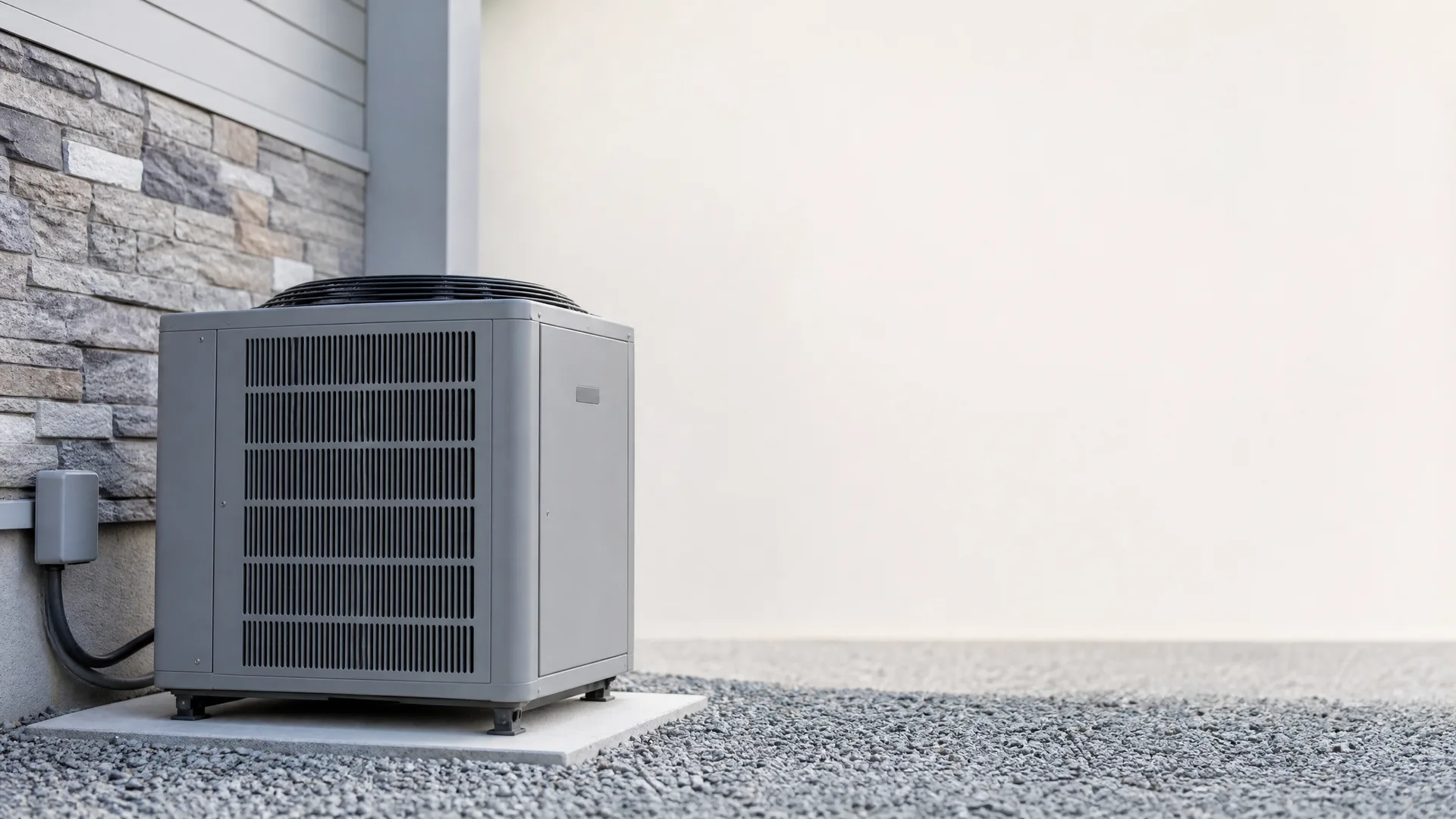
A gray outdoor condenser unit on a concrete pad beside a house with stacked stone and horizontal siding, surrounded by gray gravel and a plain light wall.

What a Struggling Heat Pump Costs You

A heat pump that's low on charge or caked with dirt on the coil still runs, it just runs longer to put out the same heat. You'll notice the house takes longer to come up to temperature on cold mornings, or the air from the vents feels cooler than it used to. The compressor is working harder for the same result, and that's the extra cost showing up as runtime instead of a part that quit outright.

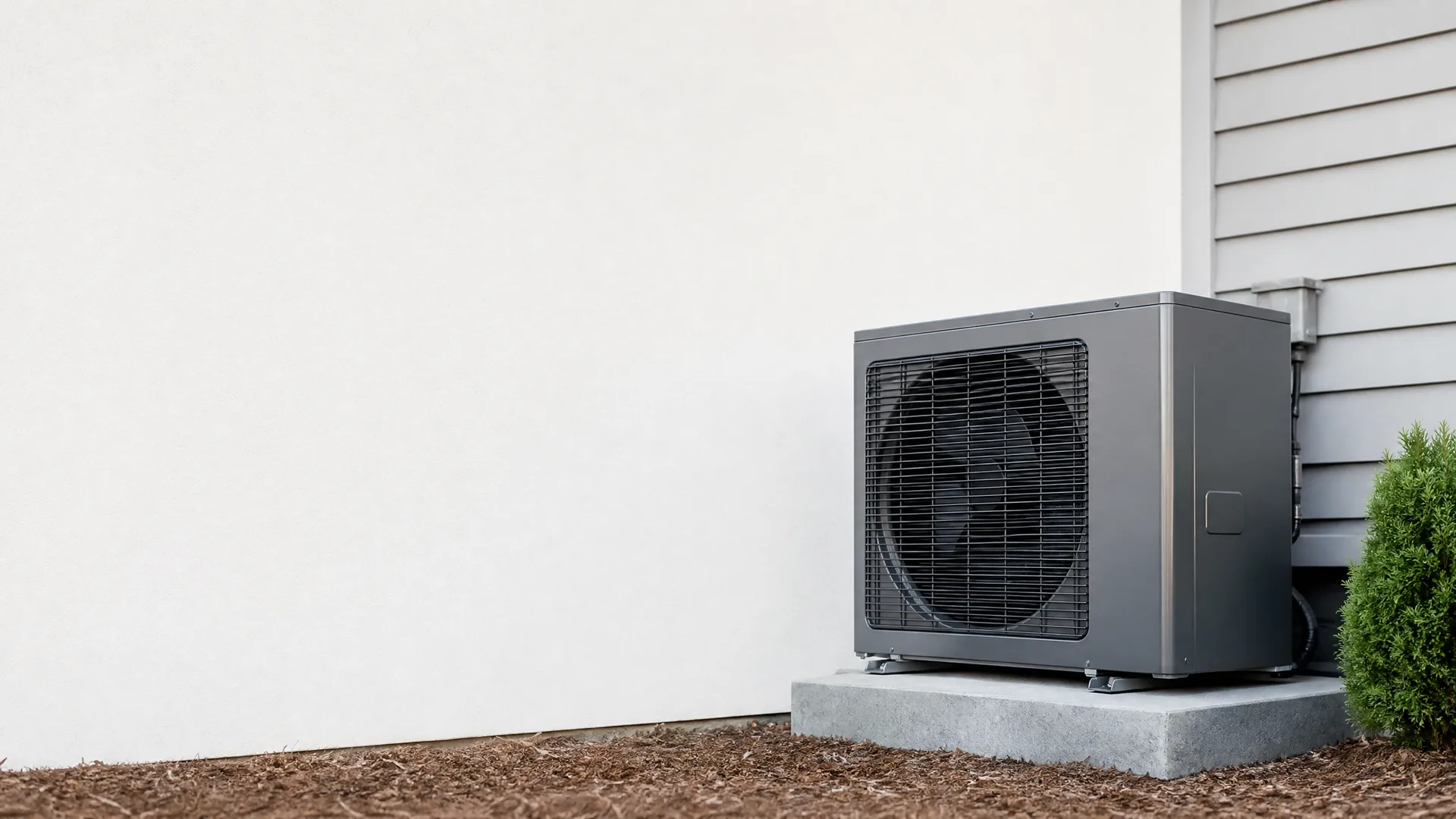
A dark gray outdoor heat pump unit sits on a concrete pad beside a white stucco wall and lap-sided house corner, with mulch and a small shrub in the foreground.

What Keeps the House Steady

When the system is sized right and running clean, the heat pump keeps pace through the cold months without falling back on backup heat strips to make up the difference. Backup heat uses a lot more electricity than the compressor alone, so a system that needs it often is costing you more than the rate on your bill suggests. A unit installed to match your house holds steady air temperature without leaning on that backup heat.

A heat pump that's running clean and sized right will cost less to heat your home with than gas does here, even with power priced the way it is in Utah. Where it loses that edge is in the details: a dirty coil, a low charge, a defrost cycle that's kicking on too often. Most of your neighbors are burning gas, so finding someone who works on heat pumps all winter, not just a few weeks a year, makes a difference in whether yours runs the way it's supposed to. A local contractor who sees this equipment through a Utah winter knows what tends to fail on it and what doesn't. When you put in a request, you get matched with one contractor suited to your situation, not a handful competing for your call. You'll know where you stand on cost once someone's looked at what your unit is actually doing right now.

A modern two-story house with dark siding and stone base at dusk, with lit soffit lights, a path of large rectangular pavers set in dark gravel, planting beds, a lawn, and an orange and blue sunset sky above distant trees and water.

Heat Pump Installation

A pro who works on heat pumps

Step 1 of 3: Equipment
  • A cream chunky cable-knit throw draped over a beige upholstered armchair beside a bright window, with a wooden side table holding a book and a vase of leafy branches at left.
    • A local pro who knows heat pumps gets your details and gets in touch.
    • Get in touch with a local installer about a new heat pump.
  • Living room corner with a gray sofa holding beige pillows and a knit throw, a round wooden coffee table with a dark planter and shallow bowl, a jute rug, a floor lamp, a framed landscape print on the wall, and a window showing trees.
    • After this form, you can stop searching for a heat pump pro.
    • One request and the search for a pro is handled.
  • A living room corner with a cream sofa and cushion, knit throw, wooden coffee table holding a shallow bowl and dark ceramic vase with green foliage, a floor lamp, potted plant in a woven basket, and linen curtains at a window.
    • Skip the round of in-home estimates for a new heat pump.
    • Describe the project once instead of to every installer.
  • A round reclaimed-wood coffee table with a black metal base sits on a woven rug in front of a cream sofa with cushions, with a lit built-in fireplace and a tall indoor tree in the background.
    • Only one pro gets your request, so you hear from one company.
    • Your request stays with one local pro.