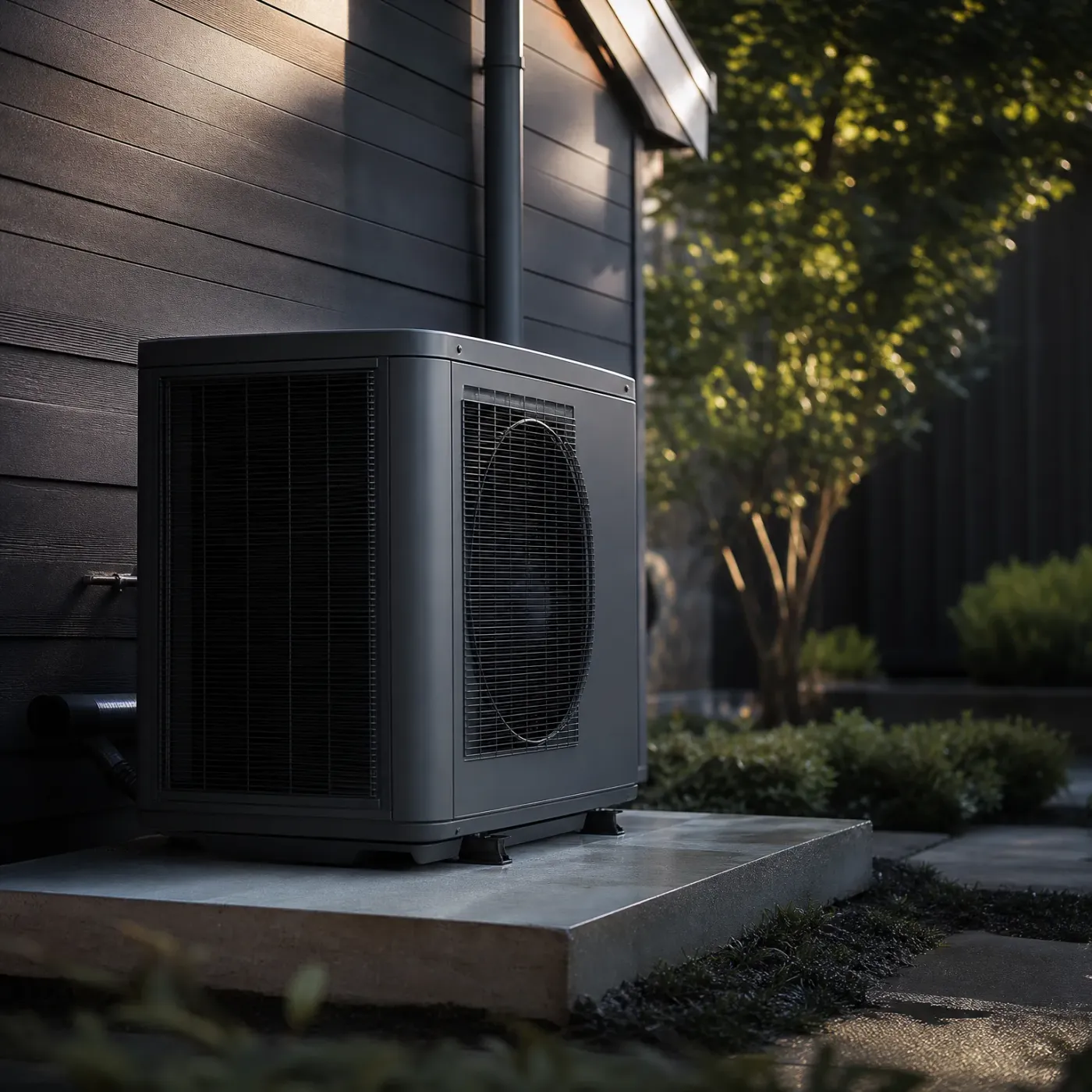



A gray outdoor condenser/heat pump unit with a side fan grille sits on a concrete pad beside a dark horizontal wood-sided house, with shrubs and a small tree nearby.

Matched to your heat pump job

Is a cold-climate heat pump worth it in Utah

Most houses in Utah heat with gas, and power here is cheap, so a cold-climate heat pump has to earn its keep against a furnace in winter and a dry, hot summer the rest of the year. This page gets into when that math works and when it doesn't. If you want a local read on your setup, a licensed contractor who works on these year-round can take a look.

Get a local pro

A cold-climate heat pump is worth it in Utah if you're set on getting off gas, but on pure dollars it's a harder case than in places with expensive electricity. These units keep pulling heat out of outdoor air even when it's well below freezing, so they can carry your home through winter without a backup furnace. The catch is that gas heat is already cheap to run here, so the savings a heat pump offers over a furnace are smaller than they'd be somewhere with pricier gas or pricier electricity. Where it pays off clearly is summer. Utah summers run hot and dry, and the same unit that heats in winter cools your house in July and August, so you're running one system year-round instead of a furnace plus a separate AC. If your current AC is on its way out, replacing it with a cold-climate heat pump gets you winter heat and summer cooling from one piece of equipment.

A white outdoor heat pump unit on rubber feet atop a concrete pad beside a light stucco wall, with gray siding and a small shrub at the left edge.

What cold-climate actually means

A standard heat pump starts losing real capacity somewhere in the 30s and struggles below that. A cold-climate model uses a different compressor, usually a variable-speed one, that keeps producing heat down to zero degrees and sometimes lower, with the manufacturer's rating showing how much capacity is left at that point. That matters in a state where overnight lows drop well below freezing for weeks at a stretch. Below its rated point, the system still runs, but a backup source has to pick up the rest of the load.

A gray outdoor heat pump unit with a large circular fan grille sits on a concrete pad beside a house with horizontal siding, surrounded by gravel and grass, with a conduit and junction box on the wall.

Why your furnace stays in the picture

Most homes here already have a gas furnace, and the usual setup pairs it with the heat pump instead of replacing it outright. The heat pump handles the milder days and the furnace kicks in once outdoor temperatures drop past the point where the heat pump can't keep up efficiently. A thermostat or control board handles the switch automatically. This dual-fuel approach is why a lot of Utah installs size the heat pump for the shoulder seasons and let the furnace carry the coldest stretches of winter.

Why is your heat pump struggling on the coldest mornings

If you already have a heat pump that isn't cold-climate rated, you've probably noticed it on the mornings that dip into the teens or single digits. The air coming out of the vents feels cooler than usual, the unit runs longer to hold the thermostat setting, and you might hear the backup heat kick in, whether that's strips in the air handler or your furnace taking over. Some homeowners notice the outdoor unit icing up and running defrost cycles more often. None of this means the system is broken. It means it's working at the edge of what it can do, and on the coldest stretches of a Utah winter, that edge gets reached more than you'd like.

A gray outdoor condenser unit on a concrete pad beside a light-colored lap-sided house, with a wall-mounted disconnect box and conduit, dark mulch, and a green shrub to the right.

Running clean

A heat pump that's kept up pulls its outdoor coil and runs the disconnect without strain, even on a January morning. Airflow stays steady, the fins stay clear, and the unit holds its output whether it's pulling heat from the air or dumping it outside in July. That's what lets it carry both seasons on one system.


An outdoor air conditioner condenser unit on a concrete pad beside a house with horizontal lap siding, with a gray electrical disconnect box and conduit on the wall and bare dirt and mulch in the foreground.

Losing ground

Grime packed into the grilles cuts off airflow before the refrigerant ever gets there, so the compressor works harder for less heat. In a Utah winter that shows up fast, since a cold-climate unit is already pulling what warmth it can out of cold air. A dirty coil just gives it less to work with.

How does a cold-climate heat pump switch over to backup heat?

You've got a cold-climate heat pump, and you're wondering what happens when it's too cold outside for it to keep up on its own. Most homes here lean on gas, so there's usually a furnace sitting right next to that heat pump, and you want to know who's actually making the heat when it's 10 degrees out and whether that switch happens on its own or needs you to do something.

The thermostat hands off to the furnace automatically, based on outdoor temperature

A dual-fuel setup uses an outdoor sensor wired to the thermostat. Once the temperature outside drops past a set point, the system shuts the heat pump off and fires the furnace instead, no input from you needed. That switchover point gets programmed during installation, usually somewhere in the 25 to 35 degree range, based on how the heat pump performs in the cold and what gas costs compared to electricity. Above that line, the heat pump runs because it's doing the job for less. Below it, the furnace takes over because the heat pump's output has dropped enough that gas wins out. You can check the thermostat setting if you want to see where that line is set for your system.

A gray-haired, bearded man in a dark coat dusted with snow stands smiling in a dimly lit room with a lamp, mirror, framed art, and a sofa in the background.
An older man with white hair and a beard, wearing a dark snow-dusted coat and scarf, stands in a warmly lit interior hallway with a framed landscape picture, a table lamp and a potted plant behind him, and a snowy view through a window at left.
An older man in a dark snow-flecked overcoat and scarf stands smiling in a warmly lit home entryway, with a glass-paned door showing darkness outside and a lamp-lit room visible through a doorway behind him.
An older man with gray hair and a beard, wearing a dark snow-dusted jacket and scarf, stands smiling in a warmly lit interior hallway with a lit table lamp, a vase of dried branches, and a framed picture in the background.

A heat pump pro near you

You've already got the heat pump, so the question isn't whether cold-climate tech works, it's whether yours is set up right for a Utah winter and matched to the gas furnace it's backing up. A cold-climate system that's wired wrong, undersized for your house, or left to fight the furnace instead of handing off to it cleanly will run worse than no heat pump at all, and you'll see it on the bill before you see it anywhere else. That's a job for someone who installs these in this state regularly, not a generic HVAC call. Someone local who sets up cold-climate systems against gas backup here knows where installers usually get the changeover wrong and what Utah's power rates mean for how hard the compressor should be allowed to work before the furnace takes over. Getting that balance right, for your house and your equipment, is worth having someone look at directly rather than guessing at it yourself.

Replacing a furnace outright

If the furnace is what's failing and you're pricing a cold-climate heat pump as the full replacement, the case is different than running one alongside gas. You'd be heating the whole winter on electricity, and with power cheap here, that can land close to what gas was costing, sometimes better, depending on how the house holds heat. You lose the backup fuel source, so the system has to carry January and February on its own. That's a real load for even a good cold-climate unit on the coldest mornings. Some homeowners keep a small gas furnace or electric backup anyway, just for those stretches, rather than betting everything on one system.

Keeping the furnace and adding a heat pump

If the furnace still runs fine, adding a cold-climate heat pump next to it is a lower-stakes move. The heat pump handles the mild stretches, which in Utah is most of fall and spring and plenty of winter days above freezing, and the furnace takes over when it gets cold enough that gas is the better deal anyway. You're not betting the whole winter on one system, and you get the dry-summer cooling out of the same unit. The tradeoff is you're running and maintaining two systems instead of one, and the switchover has to be set up correctly or you end up paying for backup heat more than you need to.

A woman wrapped in a cream textured blanket sits in an armchair beside a lit lamp and a dark window, with an open book in the foreground.
An older woman with gray hair in a bun and glasses, wearing a beige knit sweater, smiles while looking to the side in a warmly lit kitchen, with a loaf of bread on the counter in the foreground and a snowy scene outside the window.

Keeping the furnace as backup, you're paying for two systems but running the cheaper fuel on the coldest days, when a cold-climate heat pump's output drops the most and gas picks up the slack.

Running the heat pump alone through a Utah winter means electricity carries all of it, including the week or two of single digits where even a cold-climate unit leans hardest on backup heat strips to keep up.

Power costs 13.02 cents per kilowatt-hour statewide

At that rate, running your heat pump through the shoulder months is cheap. It's the deep cold that changes the math, since that's when a cold-climate unit pulls the most power to keep up, with the furnace still sitting there as the cheaper option on the hardest nights.

EIA-861 2025 statewide residential average

A weathered outdoor condenser unit with rust along its base sits on a pad beside a house with vinyl siding, next to a low stone wall and shaded vegetation.

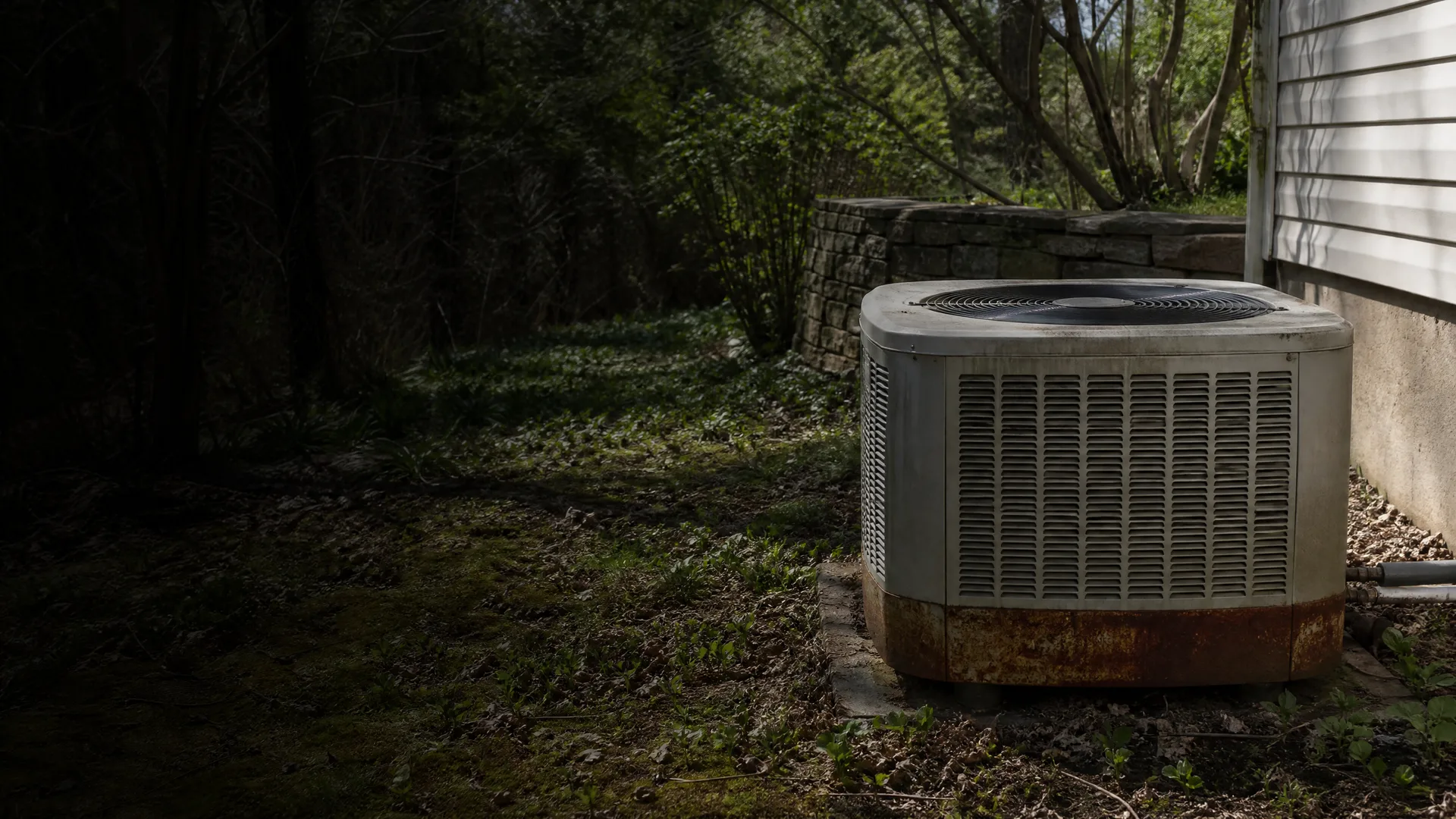
The frost is gone from the grass by nine, and you're out in the side yard coiling the hose you left out all winter. The outdoor unit sits where it's sat for years, and this is the first time since fall you've really looked at it. Rust has worked its way along the base, flaking where the metal meets the pad. You crouch down and run a thumb along the edge of it. The fins above look fine, the fan spins free when you nudge it, but that rust along the bottom wasn't there last spring. You straighten up, leave the hose half coiled, and figure you'll mention it to someone before next winter asks anything hard of this unit.

A dark gray outdoor condenser unit on a concrete pad beside a house with beige horizontal siding, with a gray electrical disconnect box and conduit on the wall, mulch beds, a hosta plant, a shrub, and mowed lawn in front.
The coil's clear, the pad's clean, and it's cycling normally into a Utah summer afternoon.
A weathered outdoor condenser unit on a concrete pad beside a house with light horizontal siding, surrounded by bare dirt and a shrub.
Years of grime on the grilles choke airflow, and a cold-climate unit working that hard loses the capacity it's built for.
A two-story house with light beige horizontal siding, a gabled roof, a small covered front porch with dark door, and shrubs along the foundation, set behind a mown lawn and wet sidewalk with large leafy trees on both sides.

Summer air here averages a dew point of 41°F across June, July and August, which is dry by any measure. For your heat pump, dry air means the condenser isn't fighting moisture to cool the house, so it doesn't have to work as hard to pull heat out and dump it outside. You'll notice the unit cycling off more than it does on a muggy day elsewhere, and the air coming out of the vents feels cool but not clammy. The strain on a cold-climate system in Utah shows up in winter, not summer. July and August are the easy months for this equipment. Source: NOAA climate normals

NASA POWER T2MDEW county cells weighted by homes

A man in a dark blue shirt stands in an open front doorway of a stucco and wood-clad house, facing a blond woman seen from behind in the foreground on a stone walkway.

Where that leaves you

You've got a cold-climate heat pump and a gas furnace behind it, and for Utah that's a reasonable setup. The dollars don't favor going all-electric here the way they would somewhere with expensive power, but the comfort case holds up, and so does running it right alongside the furnace you've already got. Whether it's worth it from here mostly comes down to whether it was sized and set up for your house in the first place.

That's a question worth having someone look at directly, not guess at from a search page. A local contractor who works on cold-climate systems through Utah winters has seen what usually goes wrong with the setup, whether that's a changeover point set too low or a unit that was undersized for the house it's in. Get matched with one, and they'll reach out to look at your system specifically, not a general case.

Interior corner of a living room with a beige upholstered sofa and dark cushion in the foreground, a ceramic vase of leafy branches on a dark side table by a curtained window, a framed picture on the wall, and a wood-surround fireplace at right.
A gray outdoor heat pump unit mounted on a concrete pad beside a dark horizontal-slat clad house wall, with gravel ground and shrubs nearby.

A local pro for your heat pump installation

Step 1 of 3: Equipment