Tell us about the job
Takes about a minute. No obligation.
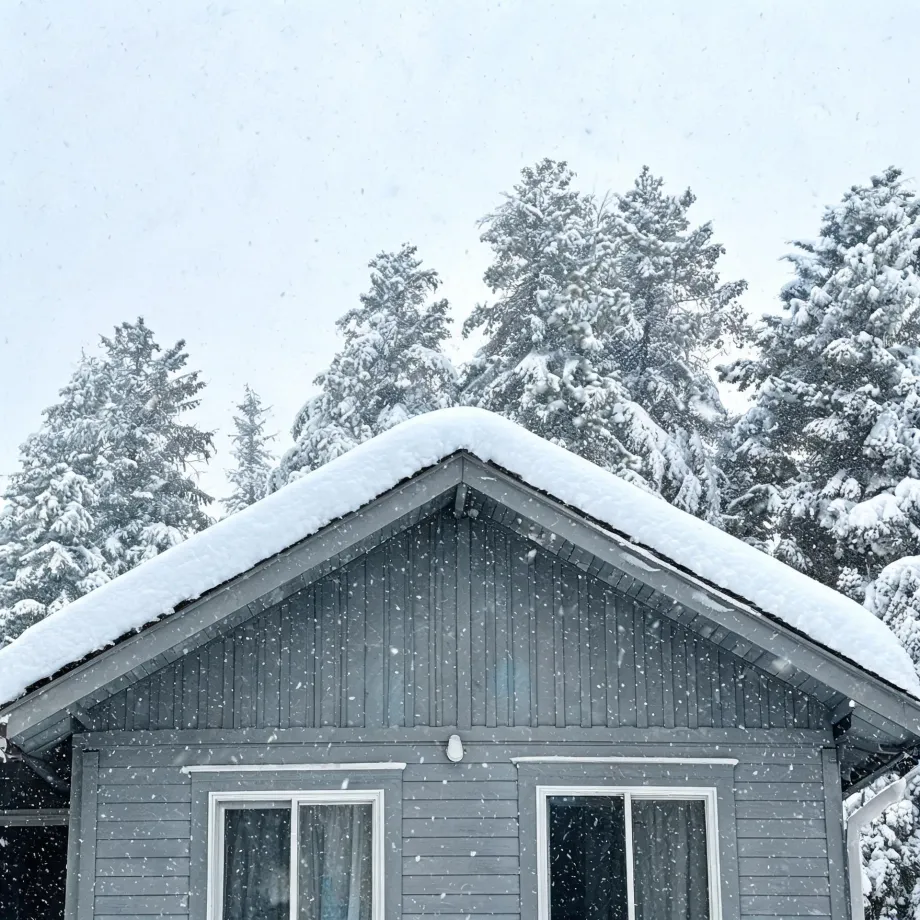
A heat pump running through a long heating season puts sustained stress on its refrigerant circuit, and the reversing valve takes the worst of it, switching the system between heating and cooling modes every time conditions change. Homes in Wayne County, UT run heat about eight months a year, from October through May. The coils, the defrost board, and the low-ambient controls all accumulate hours against that same stretch. A contractor coming in on a repair call checks the refrigerant charge and the reversing valve operation early, because faults there account for a disproportionate share of what fails when a system has been working hard through cold months.
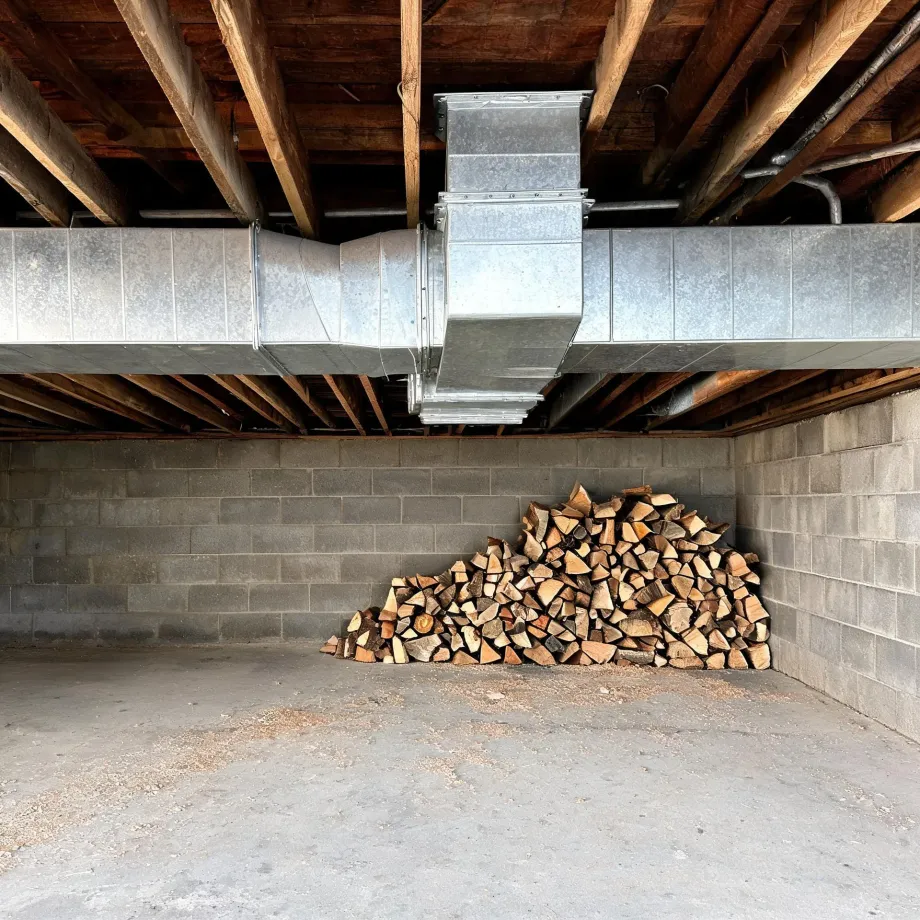
Repair work on a heat pump here starts inside the unit, with what the opened compressor, coils, and electrical connections actually show. Half the homes in Wayne County, Utah were built in 1985 or earlier (2020-2024 ACS 5-year). That puts a wide share of the local housing stock in a range where replacement parts for the equipment running in those houses are getting harder to source, and where prolonged exposure to Wayne County's temperature extremes has left visible wear on contactors, capacitors, and refrigerant fittings. A contractor opening a system of this vintage looks first at whether the part it needs still has a supply chain behind it.
The Parts of a Heat Pump a Contractor Checks During Repair
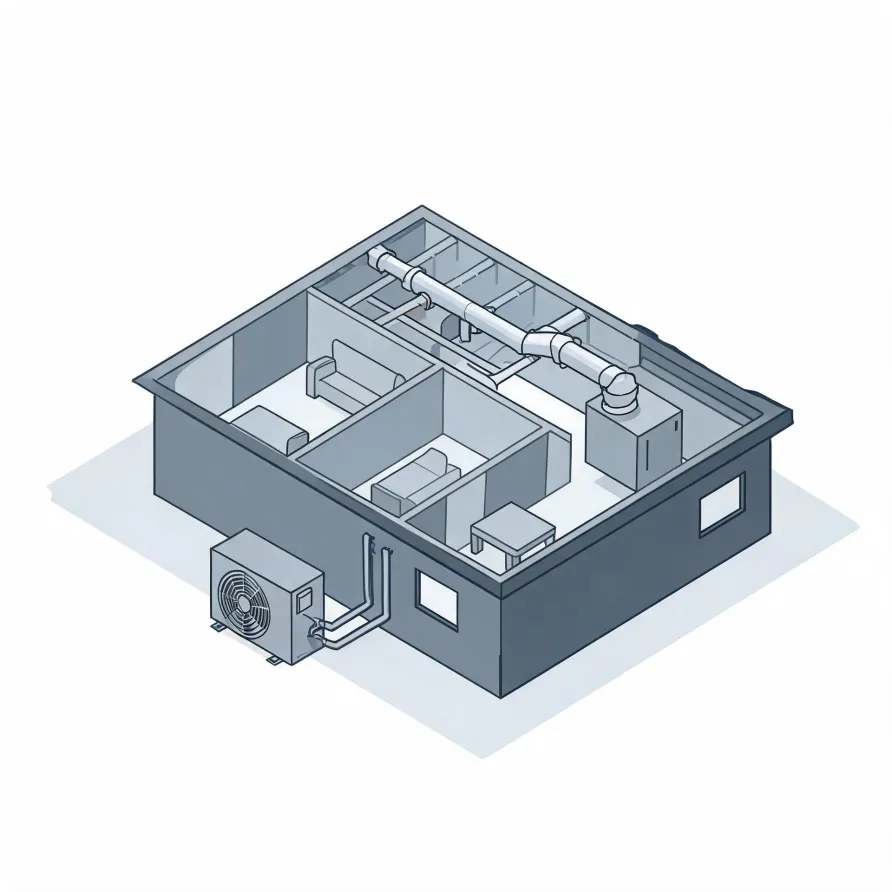
The outdoor unit is usually where a repair call starts. It houses the compressor, which does the heavy work of moving refrigerant through the system, and the condenser coil, which sits around it. When either one fails, the whole system feels it. The indoor air handler hangs in a closet, attic, or utility room and contains the evaporator coil and the blower that pushes conditioned air through the house.
The refrigerant lines run between the two units and carry the refrigerant back and forth. The reversing valve sits inside the system and is what allows a heat pump to shift between heating and cooling. The thermostat on the wall is the last piece a contractor checks, since a wiring fault or a failed sensor there can mimic a much larger problem.
The drawing shows a typical layout, and a licensed contractor will assess which components and connections apply to your specific system and home.
Get matched in Wayne CountyWayne County, Utah, by the numbers
37 severe weather events were recorded in Wayne County, Utah between 2015 and 2024.
NOAA National Centers for Environmental Information, Storm Events Database, bulk CSV export, events 2015-01-01 through 2024-12-31.Half the homes in Wayne County, Utah were built in 1985 or earlier (2020-2024 ACS 5-year).
U.S. Census Bureau, 2020-2024 American Community Survey 5-Year EstimatesWayne County, Utah holds 1,735 housing units (2020-2024 ACS 5-year).
U.S. Census Bureau, 2020-2024 American Community Survey 5-Year EstimatesOwners occupy 79.3% of the occupied homes in Wayne County, Utah (2020-2024 ACS 5-year).
U.S. Census Bureau, 2020-2024 American Community Survey 5-Year EstimatesRules & Standards Covering Heat Pump Repair in Wayne County, Utah2 sourced rules and standards
Licensing Rules for HVAC Repair in Wayne County, Utah
Utah’s contractor licence does not reach alteration, repair, remodelling or improvement of a building worth less than $7,000 in labour and materials together, counting every change and addition to the agreed work — though the plumbing and electrical trades are pulled back under licensure even below that figure.
Utah requires a state licence before engaging in a licensed construction trade or contracting activity, and HVAC contractor is one of the licence classifications the state issues.
Weather Stress on HVAC Equipment in Wayne County
Heat pump systems in Wayne County work against whatever the local climate delivers, and that workload shapes how hard the equipment runs and how often it needs attention. Repair patterns here are tied to local conditions, which is why the weather record belongs on this page.
37 severe weather events, 2015–2024. Source: NOAA National Centers for Environmental Information, Storm Events Database.