Profile view of a bearded man wearing a black baseball cap and a dark gray T-shirt against a plain light background.

Can a heat pump keep up in a Utah winter

Step 1 of 3: Equipment

A heat pump can keep up through a Utah winter, but on the coldest nights most of them need help. A heat pump pulls heat from outside air, and that gets harder the colder the air gets. Somewhere in the 30s, the unit is working hard for less heat. Below that, out toward single digits on the worst nights along the Wasatch Front and colder in the higher valleys, most heat pumps lose the ability to keep a house warm on their own. That's why most Utah homes already heat with gas, and why a heat pump here almost always gets paired with a gas furnace as backup rather than running alone. Sized and installed that way, the heat pump handles the mild stretches of fall and spring efficiently, and the furnace carries the house through the hardest cold. The question isn't whether the heat pump works. It's whether yours is set up with the right backup for how cold it gets where you live.

A woman with long gray hair wrapped in a checked blanket sits on a sofa by a window with yellow autumn foliage outside, with a lamp, framed picture and plant in the background.
An older woman in a cream knit sweater sits on a sofa by a window, looking out at sunlit trees with yellow and orange autumn leaves, with a bookshelf and lamp behind her.
A woman with gray shoulder-length hair in a dark knit sweater sits on a cushioned seat by a window, looking out at yellow autumn foliage, with a living room, armchair, houseplant and framed picture behind her.
An older woman with gray hair in a bun, wearing a cream knit sweater, sits on a sofa with a gray blanket and looks out a large window toward yellow-green autumn trees, with a lit table lamp and dark armchair behind her.

Balance point near 30 to 35 degrees

Below this temperature your heat pump still runs, but it stops covering the whole load on its own. That's the point where backup heat matters most.

Find a heat pump pro

Gas is the common backup here

Most Utah homes already heat with gas, which pairs well with a heat pump on the coldest nights. A contractor can size that setup for your house.

Find a heat pump pro
A man seen from behind raises his hand to wave at a woman standing in the open front doorway of a single-story house with gray shingle siding, white columns and a gabled porch entry.

What a cold snap does to your heat pump

On a night in the teens, your heat pump is still running. You'll hear it, and you might notice the air at the vents feels cooler than you'd like. That's not a sign it's broken. It's a sign it has reached the point where it needs backup to carry the rest of the load. If your backup heat isn't sized right, or isn't wired to kick in when it should, that's when a cold snap turns into a cold house.

Utah winters put your system through more of these nights than a lot of states. Whether your heat pump handles that well depends on how it was set up to work with backup heat in the first place, something worth checking before the next cold stretch rather than during it. A contractor who installs heat pumps in Utah can look at your setup specifically and tell you whether it's matched to what your winters actually ask of it.


A living room corner with a beige upholstered armchair holding navy and striped cushions, a small round wooden side table with a carved bowl and a potted green plant, a framed landscape picture on a pale wall, built-in shelving, and a curtained window.
A gray outdoor condenser unit on a concrete pad beside a beige vinyl-sided house, with a wall-mounted disconnect box, flexible conduit, mulch bed, shrubs and a concrete walkway in front.

Running clean, keeping pace

This is a heat pump working the way it should. The pad is clear, the lines run straight to the disconnect, and nothing around it is fighting for airflow. A unit kept like this holds its balance point and gives backup heat less to make up on a cold night.

An outdoor air conditioning condenser unit on a concrete pad beside a house with horizontal siding above a brick foundation, with a flexible conduit running to a wall-mounted disconnect box.

Dust and wear add up

This unit is coated in dust and has taken years of weather straight on. That buildup makes the coil work harder to pull heat from the air, so the balance point creeps higher and the furnace kicks in sooner than it should. A yearly check catches this before a hard freeze does.


Gas Backup or Heat Pump Alone

Heat pump with gas backup

  • The heat pump covers the mild stretches of winter on its own, and the furnace only fires when the air gets too cold for it to keep pace.
  • Gas heat picks up right where the heat pump's balance point ends, so the house doesn't lose ground on the coldest nights.
  • Power here is cheap, so running the heat pump through October, November, March and April costs less than running gas those months.
  • Two systems means two things that can need service, and the switchover between them depends on a working thermostat or control board.
  • If your home already has a gas line and furnace, pairing it with a heat pump uses equipment that's already there.

Heat pump alone

  • One system to maintain, with no furnace, no gas line to the unit, and no switchover logic to go wrong.
  • On the coldest nights, a heat pump alone has nothing to lean on once it passes its balance point, and the house falls behind on heat.
  • Without backup, the unit has to be sized and run harder to get anywhere close to keeping up when outdoor temperatures drop into the teens or lower.
  • A home without an existing gas furnace avoids the cost of running a line and installing backup heat it wouldn't otherwise need.
  • This works best for a home that doesn't see its coldest nights often, or where the owner accepts the gap at the balance point.
A gray outdoor condenser unit on a concrete pad beside a house with horizontal lap siding, a conduit and disconnect box on the wall, a shrub with white flowers at right and evergreen foliage at left.
A heat pump like this, pad clear and lines straight, pulls enough heat from the air down into the 30s without strain.
A gray outdoor air conditioning condenser unit on a concrete pad beside a house with light vinyl siding, with a gray electrical disconnect box and conduit on the wall to the right.
Fins packed with dirt and weathered like this make the unit work harder before the cold even factors in.
A woman in a cream knit sweater sits in an armchair with her eyes closed and a slight smile, beside an open window showing orange autumn foliage, with a mug, books and a lit candle on a small side table.
An older man with gray hair and a beard leans back on a beige sofa with his eyes closed, in a sunlit room with potted plants, a wicker chair and large windows behind him.
A beige outdoor condenser unit on a gray pad beside a house with gray horizontal siding, with refrigerant lines and an electrical disconnect box on the wall, bordered by dark mulch, a stone retaining wall with shrubs, and a paver walkway.

Get the right pro for your heat pump

Send the form and stop researching installers for the new heat pump.

Get in touch with a local installer about a new heat pump.

Get a local pro

You only hire the pro if you want to.

Power costs 13.02 cents per kilowatt-hour statewide

At 13.02 cents per kilowatt-hour, running your heat pump through the mild stretches of winter costs little. Gas stepping in once the temperature drops past its balance point is what keeps your bill in check on the coldest nights, not the other way around.

EIA-861 2025 statewide residential average

Running the heat pump alone

You could set the system to run on the heat pump through the whole winter and skip the furnace entirely. On the mild nights, this works fine and keeps your bill low, since power here is cheap and the heat pump is doing the job efficiently. The trouble shows up once the temperature drops past its balance point. The unit keeps running, but the air coming out the vents gets cooler, and the house has to work harder to hold its temperature. Pushed this way on a hard freeze, a heat pump can run close to constantly and still lose ground against the cold. It's not a failure of the equipment. It's just past what the equipment alone is built to cover.

Letting gas take the cold nights

The other way to run it is to let the furnace take over once the air gets too cold for the heat pump to keep pace. Most homes here already have the gas line and the furnace in place, so the switchover is a matter of how the system is set up, not new equipment. The heat pump covers the stretches it's suited for, and the furnace only fires when the temperature passes the balance point. This is less strain on the heat pump over the course of the winter, and it means the house holds its temperature on the coldest nights instead of slowly losing it. A contractor setting up this kind of system can set where that switch happens.


An outdoor air conditioner condenser unit on a concrete pad beside a house with beige horizontal siding, with conduit running from an electrical box on the wall.
Before you get your heat pump installation
A beige outdoor air conditioning condenser unit on a concrete pad beside a house with horizontal vinyl siding, with refrigerant lines and a disconnect box on the wall, surrounded by dark mulch and a green shrub at left.
After you get your heat pump installation

Where your heat pump stands this winter

  • A heat pump handles most of a Utah winter on its own, down to somewhere around 30 to 35 degrees.
  • Below that balance point, gas backup takes over and keeps the house warm without the heat pump straining.
  • Cheap power here means the heat pump's share of the winter runs cheap too.
  • A unit with a clear pad, straight line set and clean coil holds its balance point better than one that's neglected.
  • Getting the pairing sized and set up right is what makes the handoff between heat pump and furnace work the way it should.
  • A contractor matched to your situation can look at your setup and tell you exactly where that handoff needs to happen.

A heat pump in Utah does real work most of the winter. It pulls heat from outside air down into the 30s without much strain, and with power here priced at 13.02 cents per kilowatt-hour, that stretch of the season costs little to run. The cold snaps are a different story. Once the temperature drops past the unit's balance point, usually somewhere around 30 to 35 degrees, the heat pump can't pull enough heat from the air on its own. That's not a malfunction. It's the handoff point, where gas backup is supposed to take over, and in most Utah homes that backup is already there since gas is the common heat source here. Whether that handoff happens smoothly depends on how the system was set up. A unit with a clean coil, a clear pad, and a line set run straight to the disconnect holds its balance point better and leans on the furnace less than one that's been neglected. Sizing matters too. A heat pump and furnace paired and set up correctly switch over without the house losing warmth in between. One that's mismatched either runs the heat pump too hard before backup kicks in or hands off too early and burns more gas than it needs to. If you're not sure where your system's balance point sits, or whether the pairing was set up to make that handoff clean, a contractor who works on these pairings in Utah can look at your setup and tell you. Once you send the form, that's the part that stops being your job.
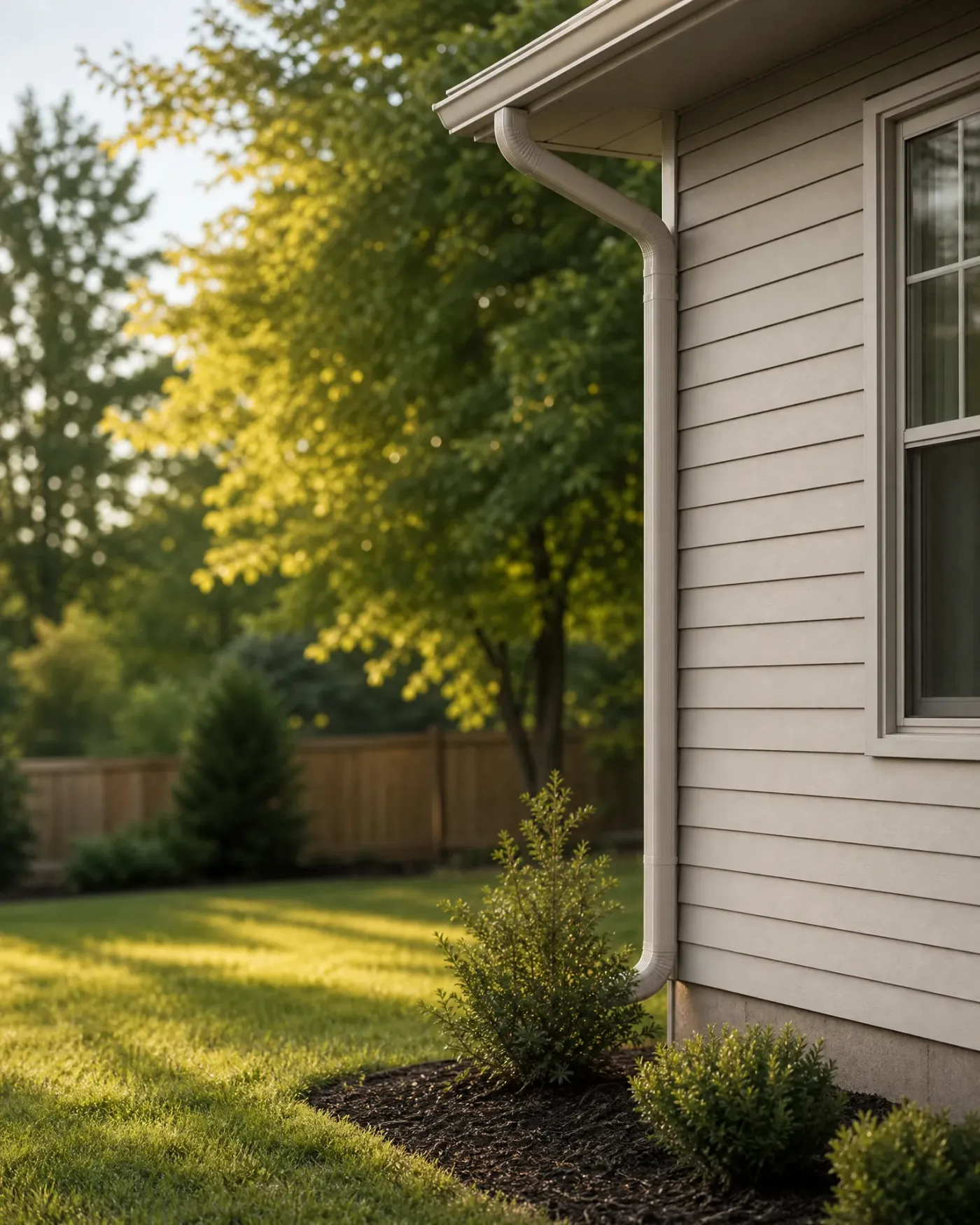
Corner of a house with light horizontal lap siding, a white gutter and downspout, and a window, beside a mulched bed with small shrubs, a lawn, wooden fence and trees in the background.
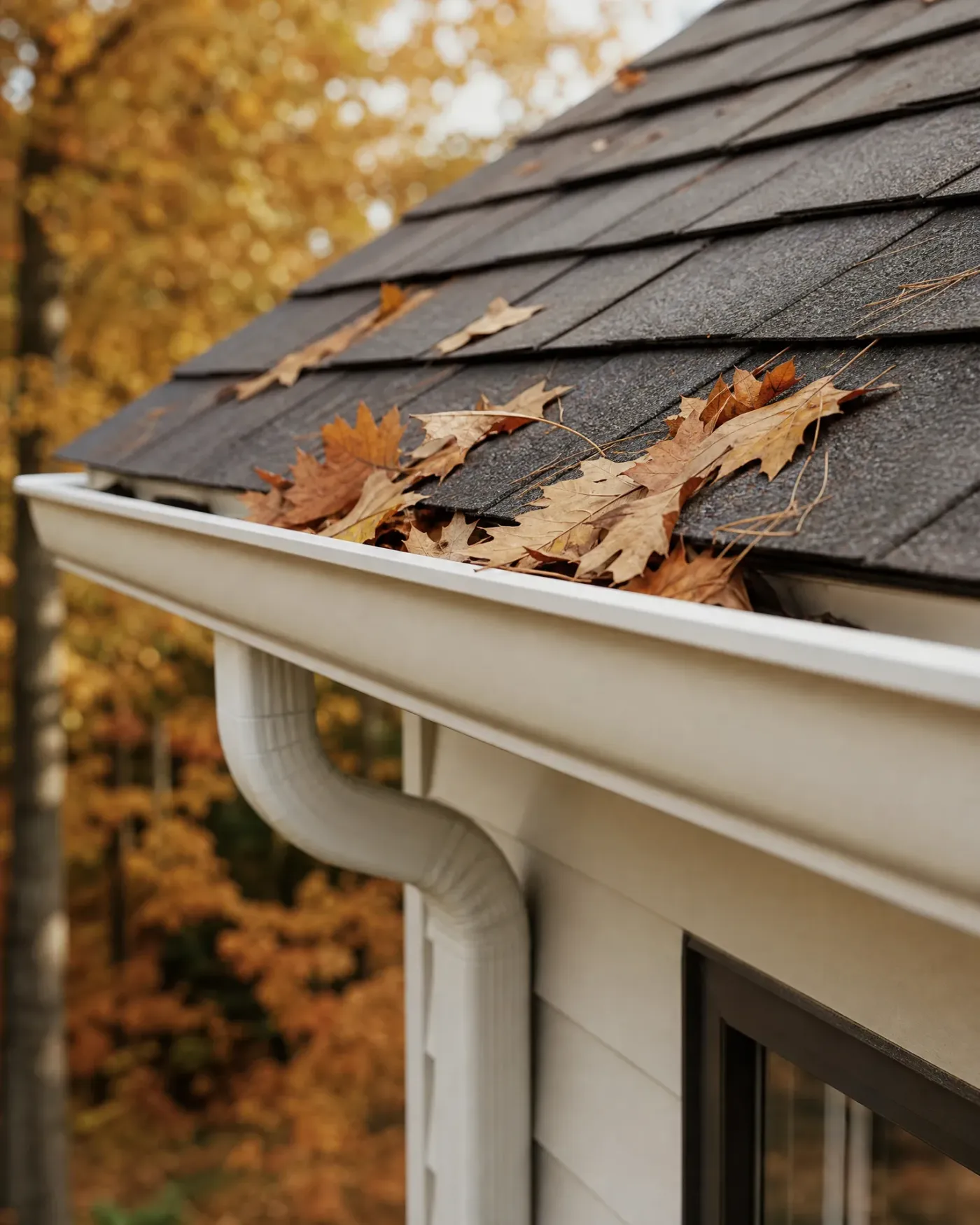
Close-up of a white gutter along an asphalt-shingle roof edge with dry brown leaves collected in it, a downspout and lap siding below, and blurred autumn trees in the background.
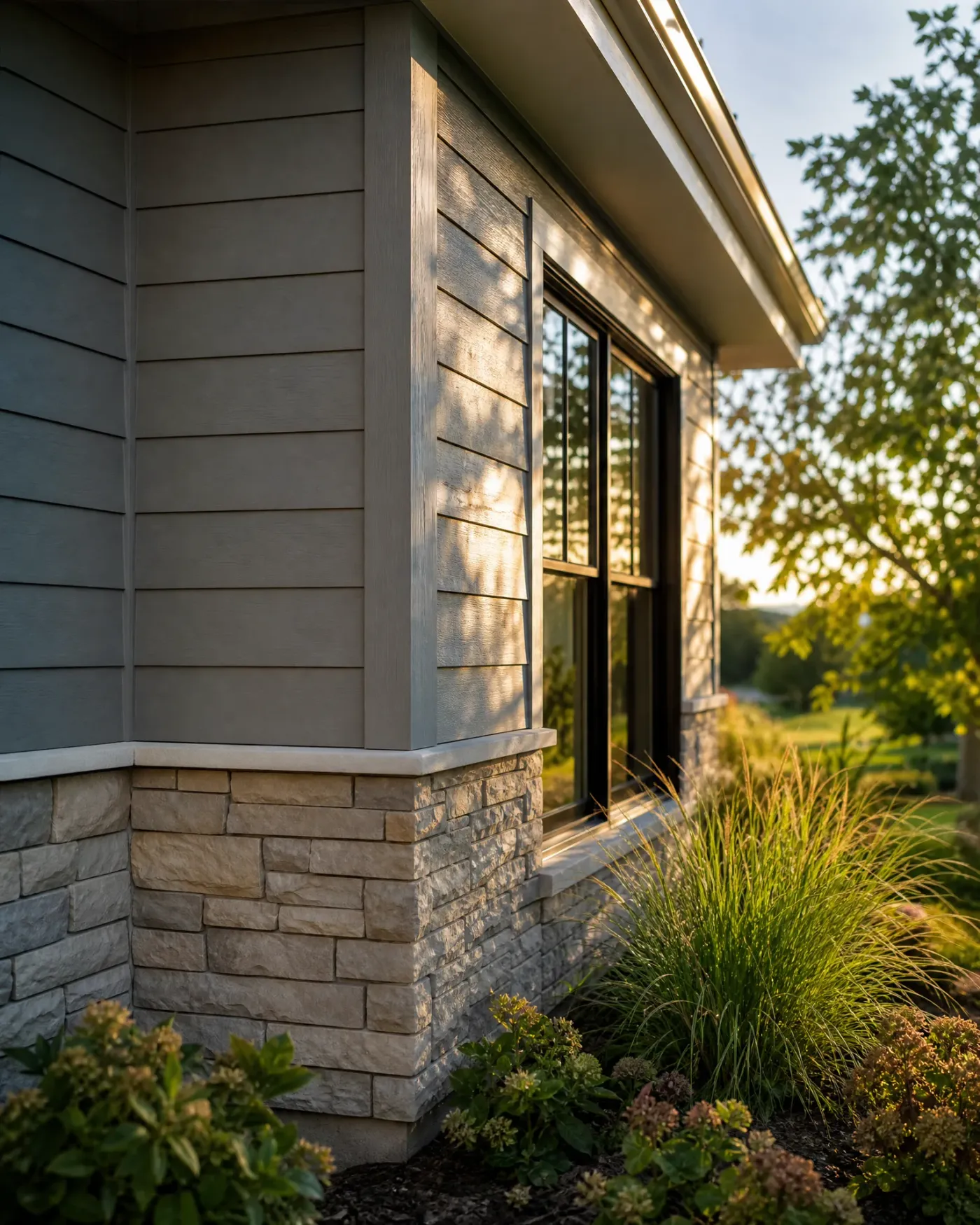
Exterior corner of a house with horizontal lap siding above a stone veneer base and a dark-framed window, with ornamental grasses and shrubs in the foreground and trees in low sunlight behind.
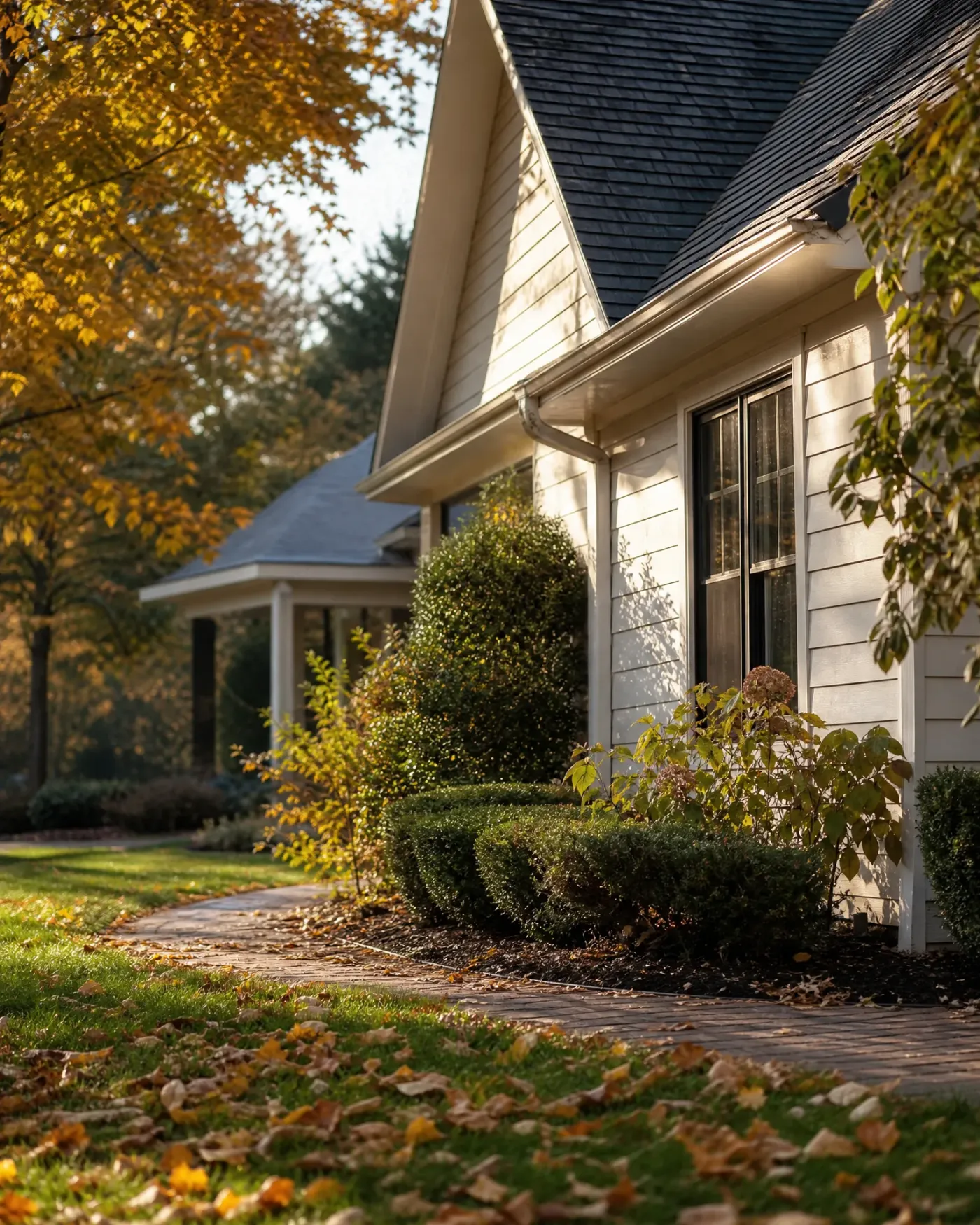
A white horizontal-siding house with a steep gray shingled gable roof, fronted by trimmed shrubs, a brick walkway, and a lawn scattered with fallen autumn leaves.
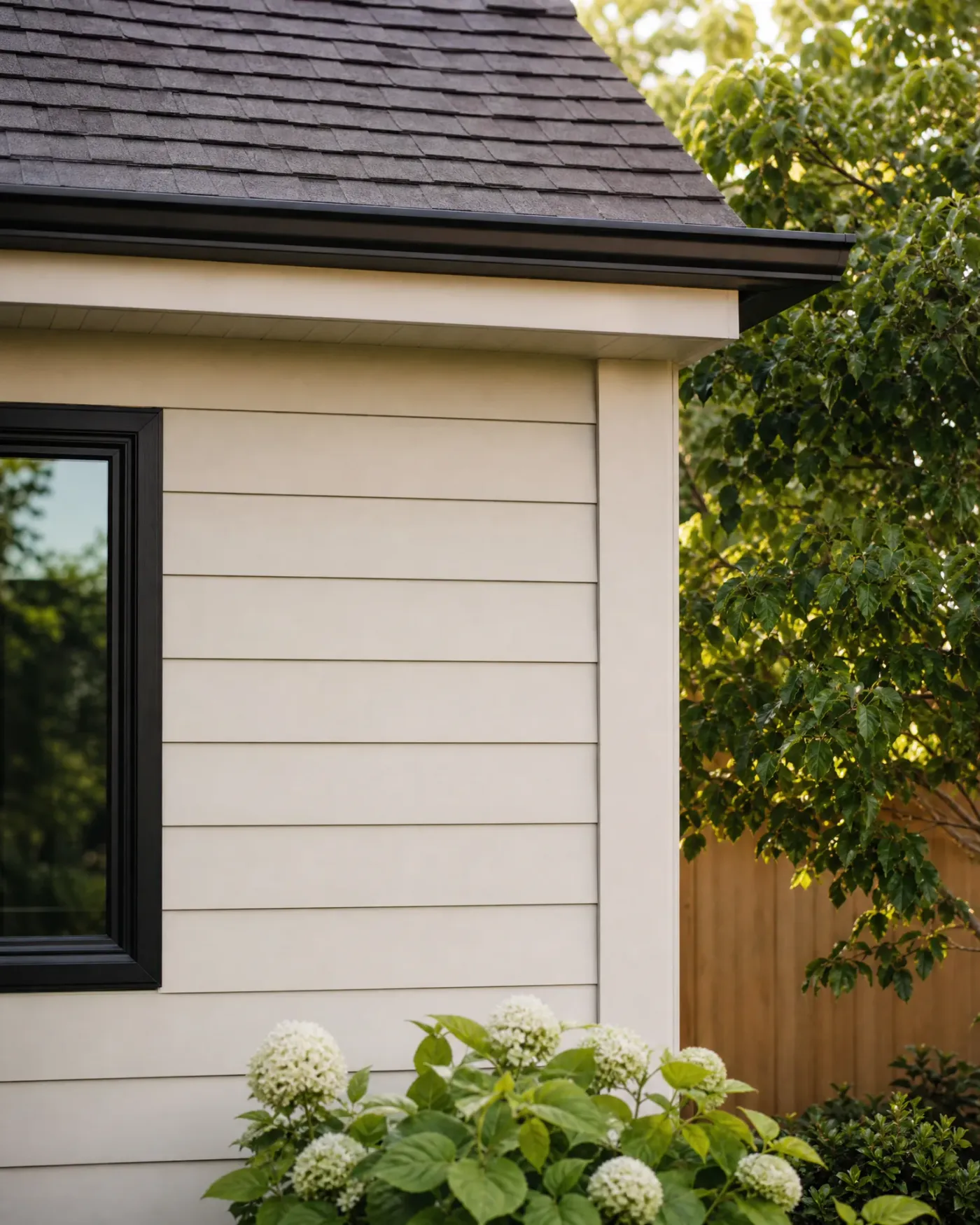
Corner of a house with cream horizontal lap siding, a black-framed window, asphalt shingle roof with dark fascia, white hydrangea blooms and green shrubs below, and a leafy tree and wood fence to the right.

A pro who works on heat pumps

One request ends the search for a heat pump installer.

Match me with a pro

Asking costs nothing, and the choice to hire stays yours.